
Lobsters & Logarithms/Aragoste e logaritmi
The New Kids on the Dock/Nuove facce giovani in porto (la versione italiana segue quella in inglese)



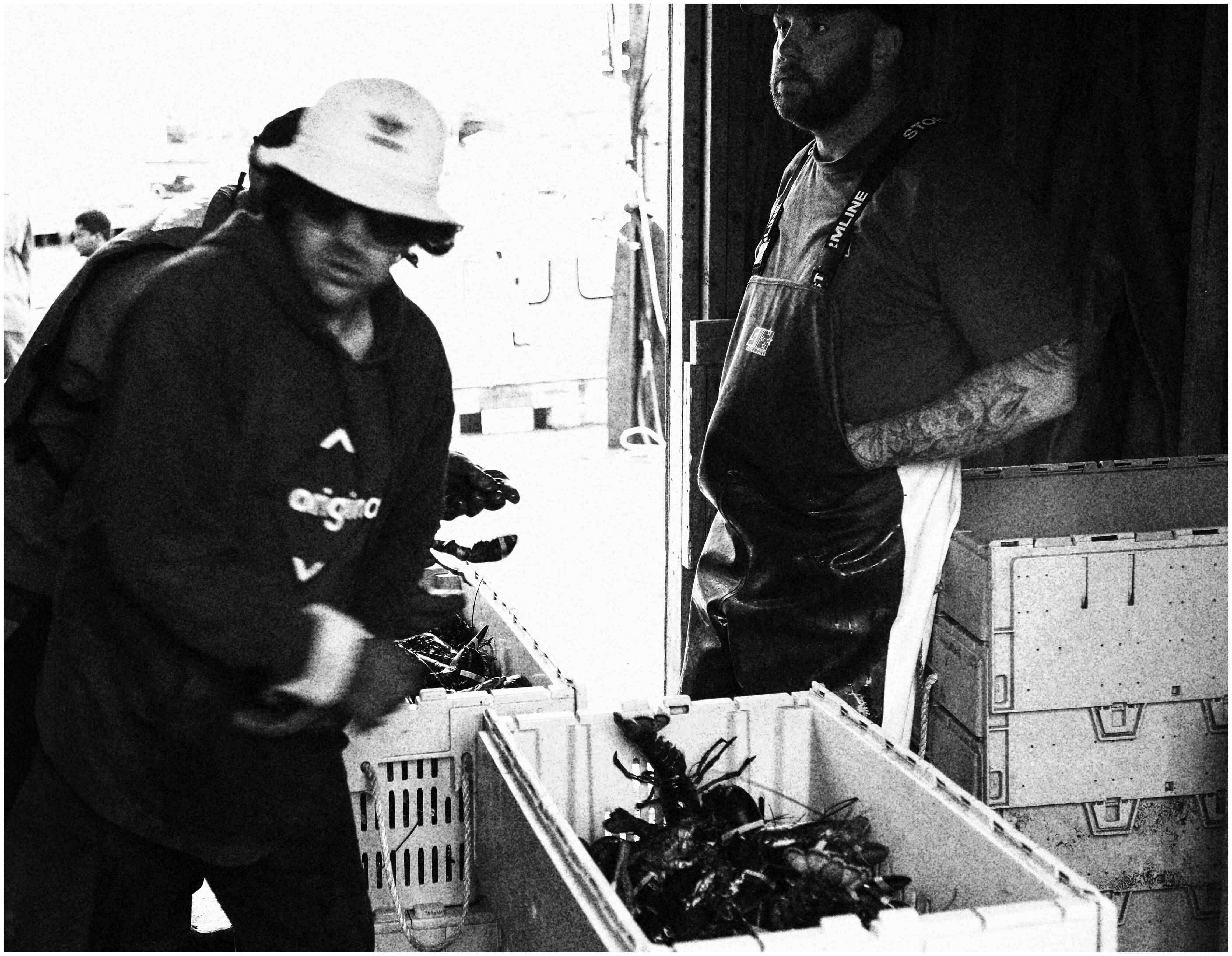
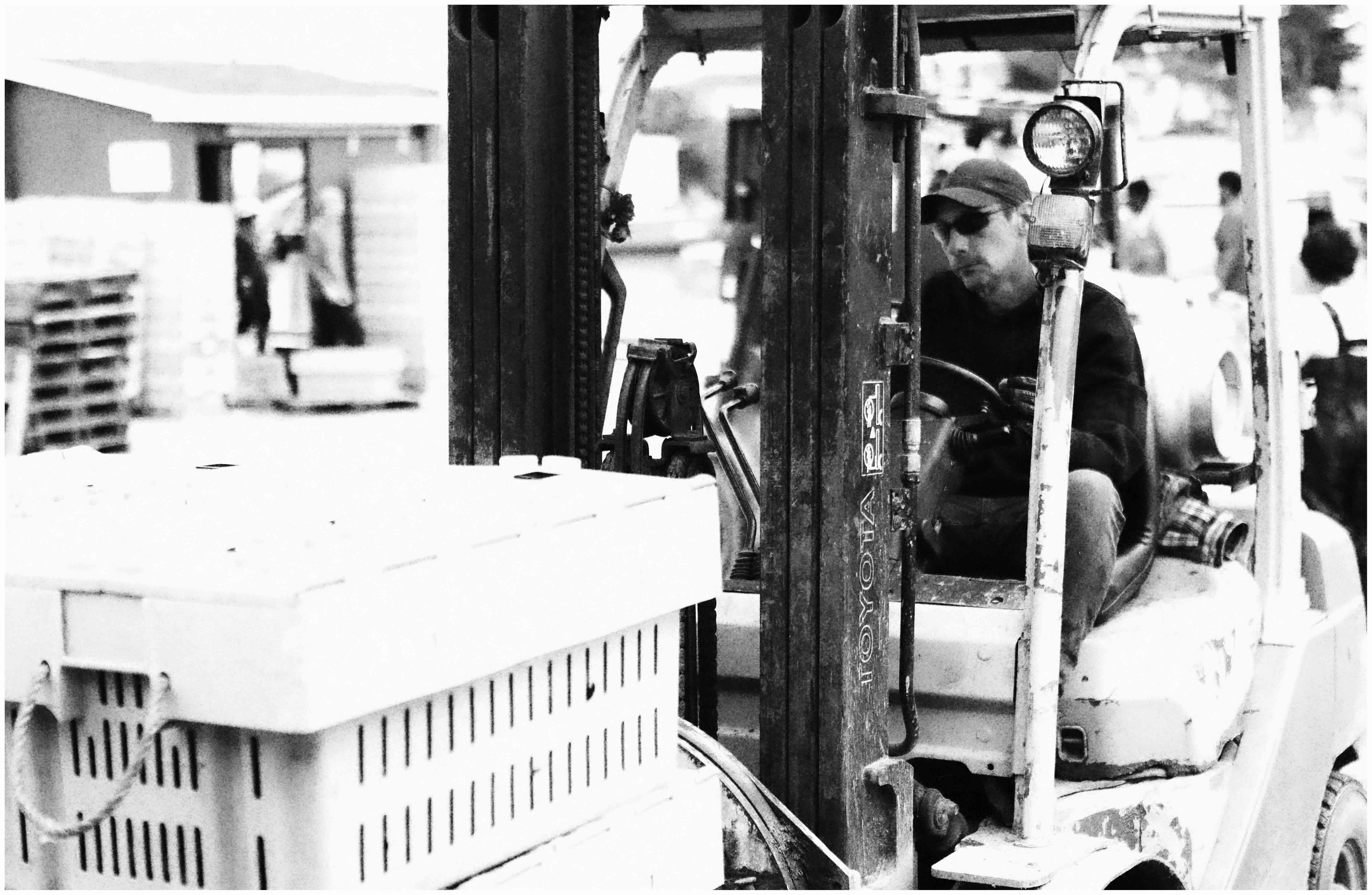
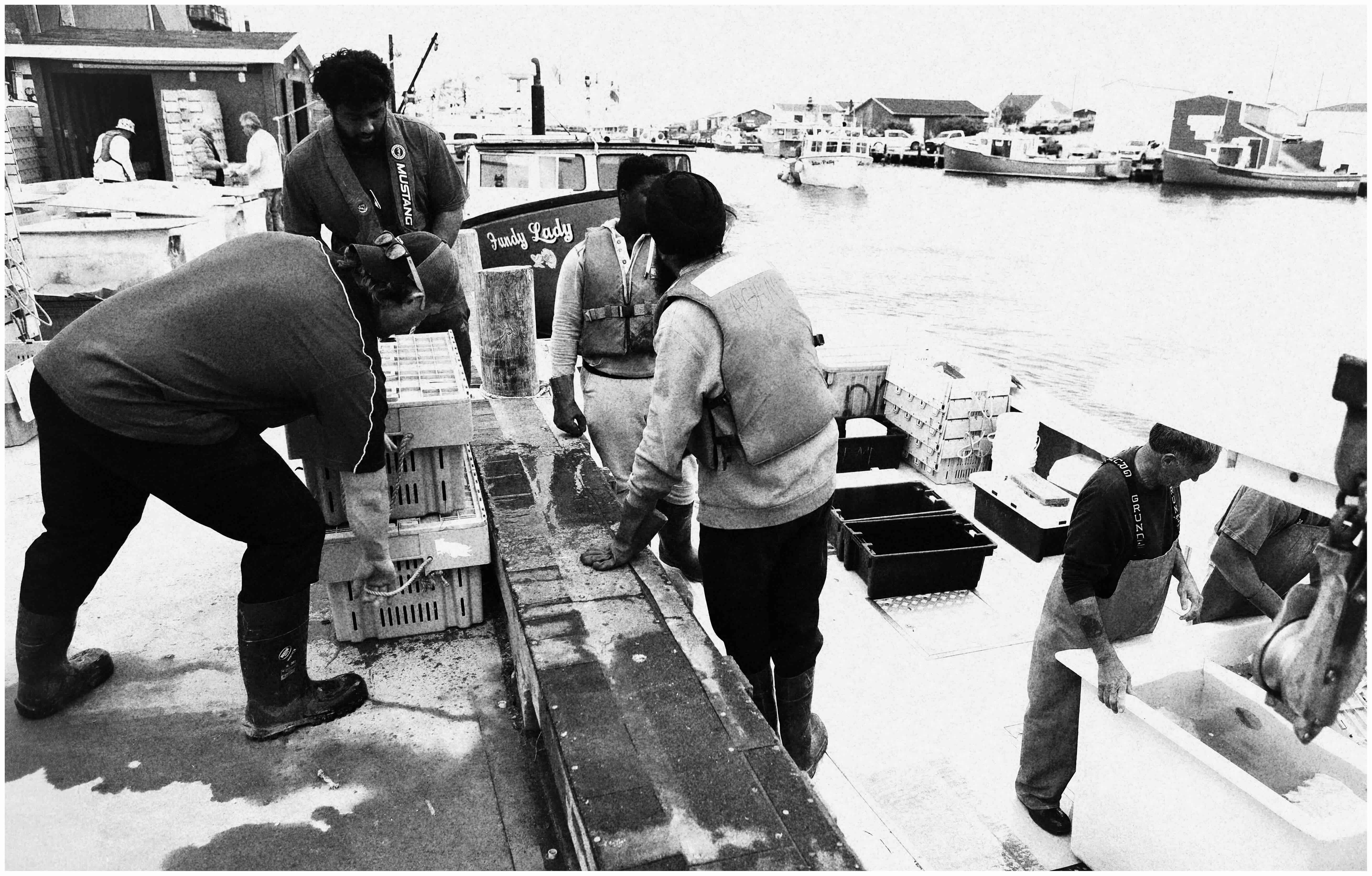
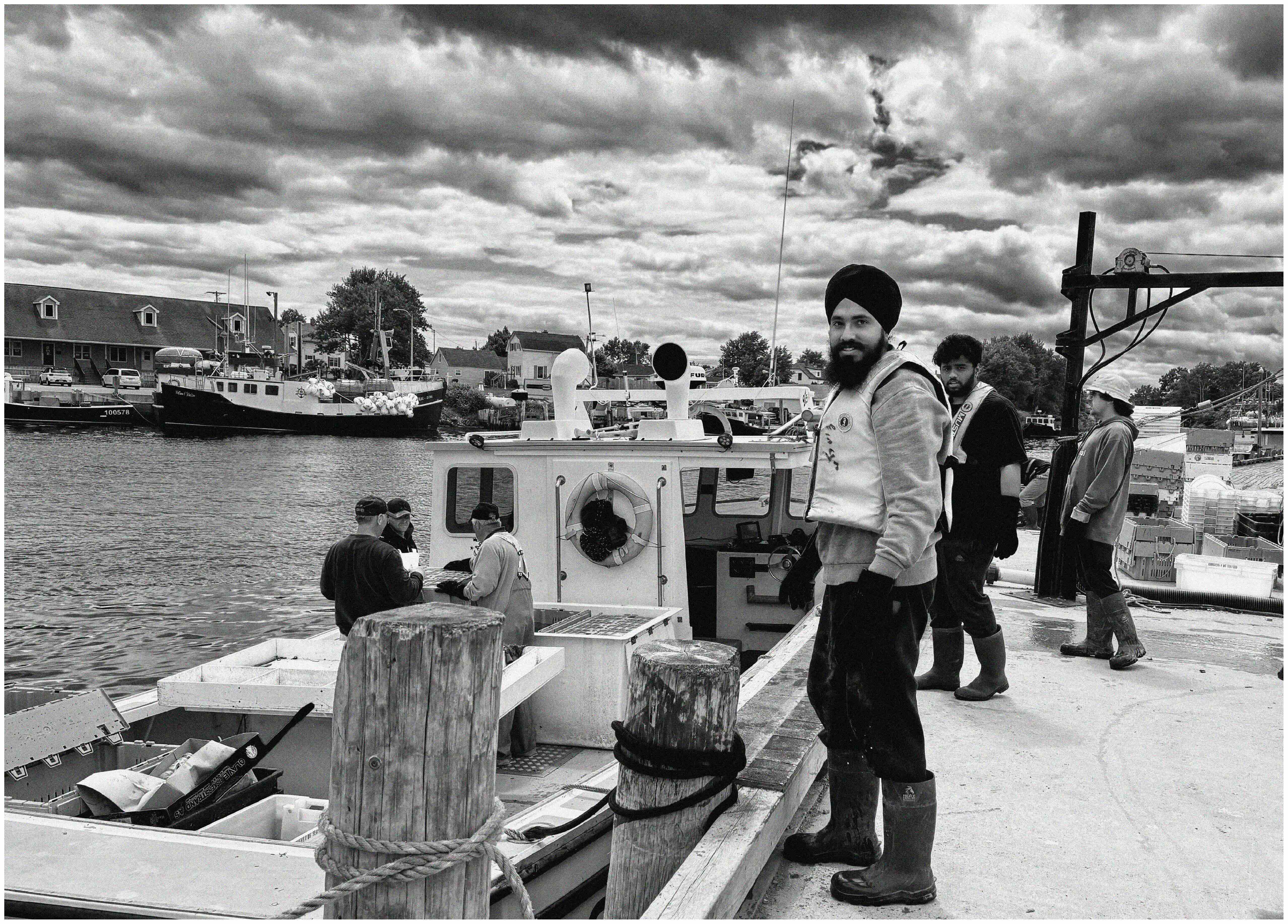
To meet them, you have to be there at the right time: when the fishing boats come back after a long day that began well before dawn. In that brief but hectic interval — as the boats dock and begin unloading their catch — the small port of Glace Bay, Nova Scotia, comes alive with entirely unexpected dockworkers: young university students, mostly international, who spend the summer moving crates of lobsters, the most coveted product of the Canadian Atlantic, to pay for tuition and rent.
Among stacks of traps and white plastic containers, moving quickly in rubber boots to keep their footing on the slippery dock, you’ll find young people like Israel-King, 22, who came from Nigeria to study engineering at Cape Breton University (CBU): “It’s a pretty tough job, but that’s fine,” he says with a smile as a fishing boat pulls up to the dock. “If you’re fit, you manage. I found this job thanks to other students. It helps me pay the rent, but I’m also learning things you never hear about at university.” Next to him works Afeez, 20, also Nigerian and a future engineer: “At first, I didn’t really know what to do, but you learn quickly. You get used to the cold, the rhythm, And you realize that sometimes a day here can teach you more than one in class.”
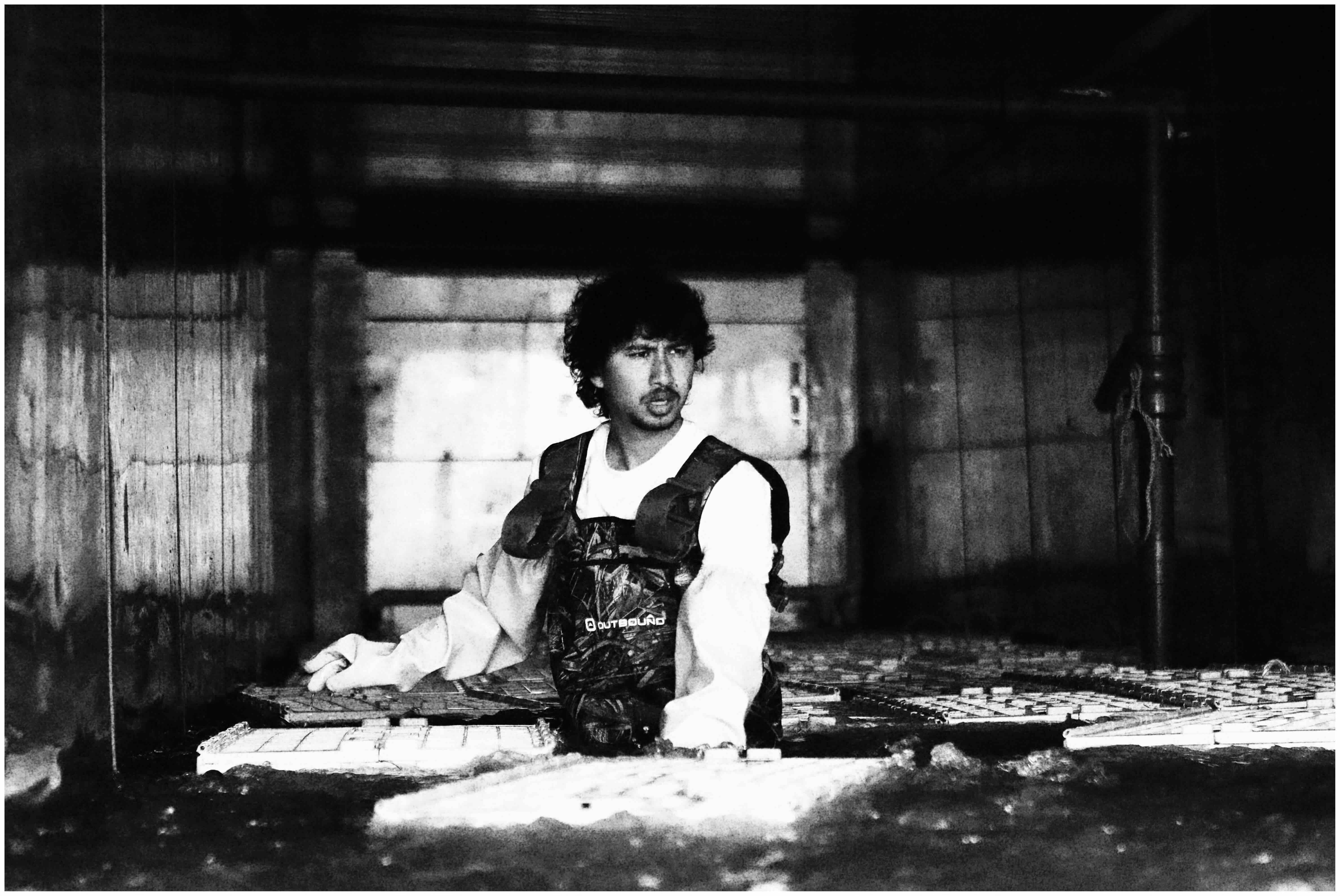
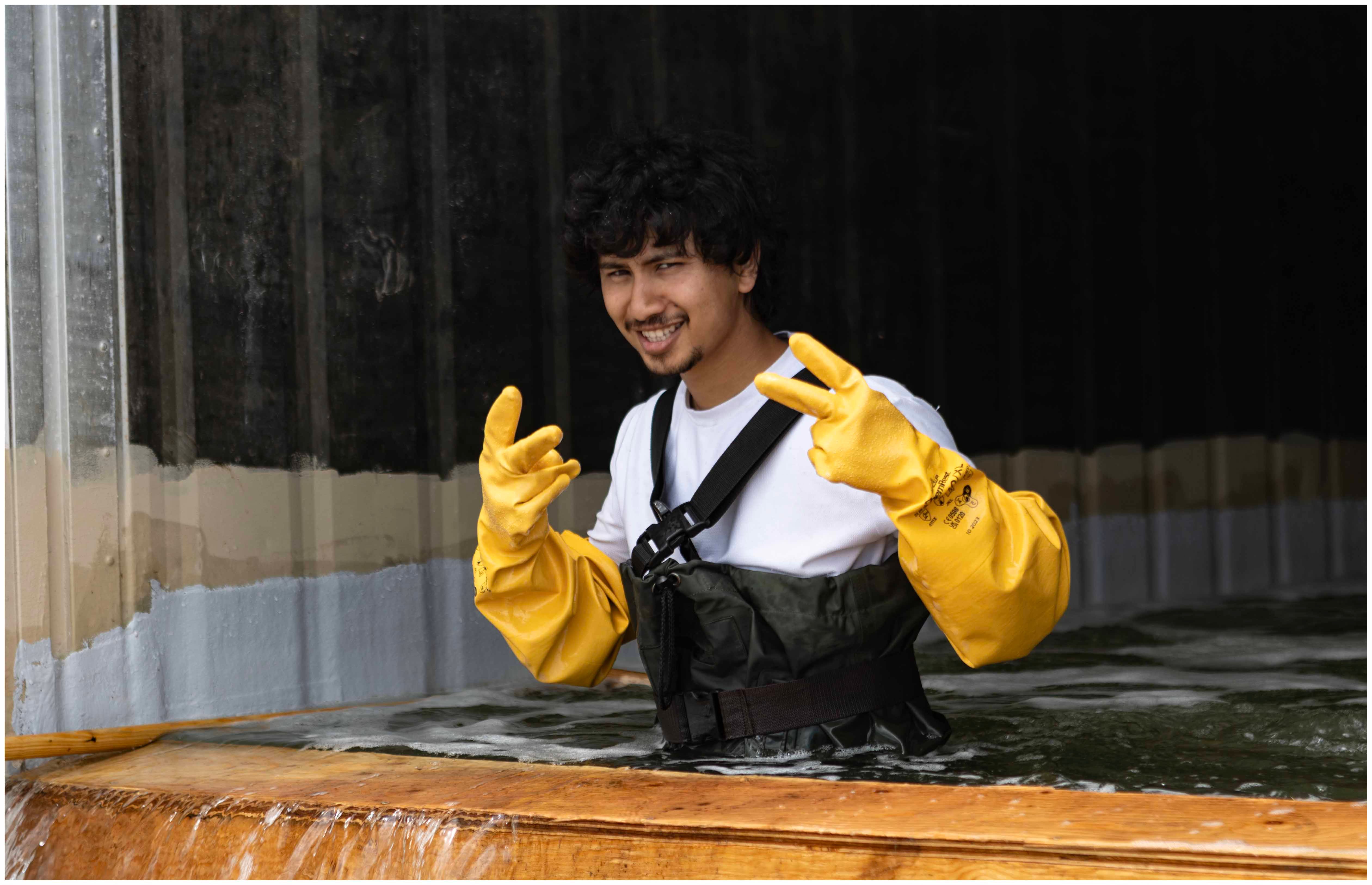
Just off to the side, away from the rush of people and forklifts, immersed up to his waist in the holding tank — where crates are lowered into chilled seawater to keep the lobsters alive before they are loaded onto trucks — there’s Saksham, 24, originally from Nepal, a Tourism student at the local college: “I like being here. It’s fun. You work hard, but there’s a good vibe among us: we come from many different countries, and everyone learns a bit from each other.”
A little further on, in the weighing shed, Cordel, 28, a young engineer born in Dominion, a few kilometers from Glace Bay, echoes him: “It’s hard work that tests you. But I enjoy being among young people with the same interests. And we joke around a lot. That’s why in winter I work as a technician for Nova Scotia Power Company, and in summer I come back here to the port.” For all the unloading they do, lobsters still aren’t part of these young workers’ perks: “If we’re lucky, we eat them at the end of the season, when they give us a couple each.”
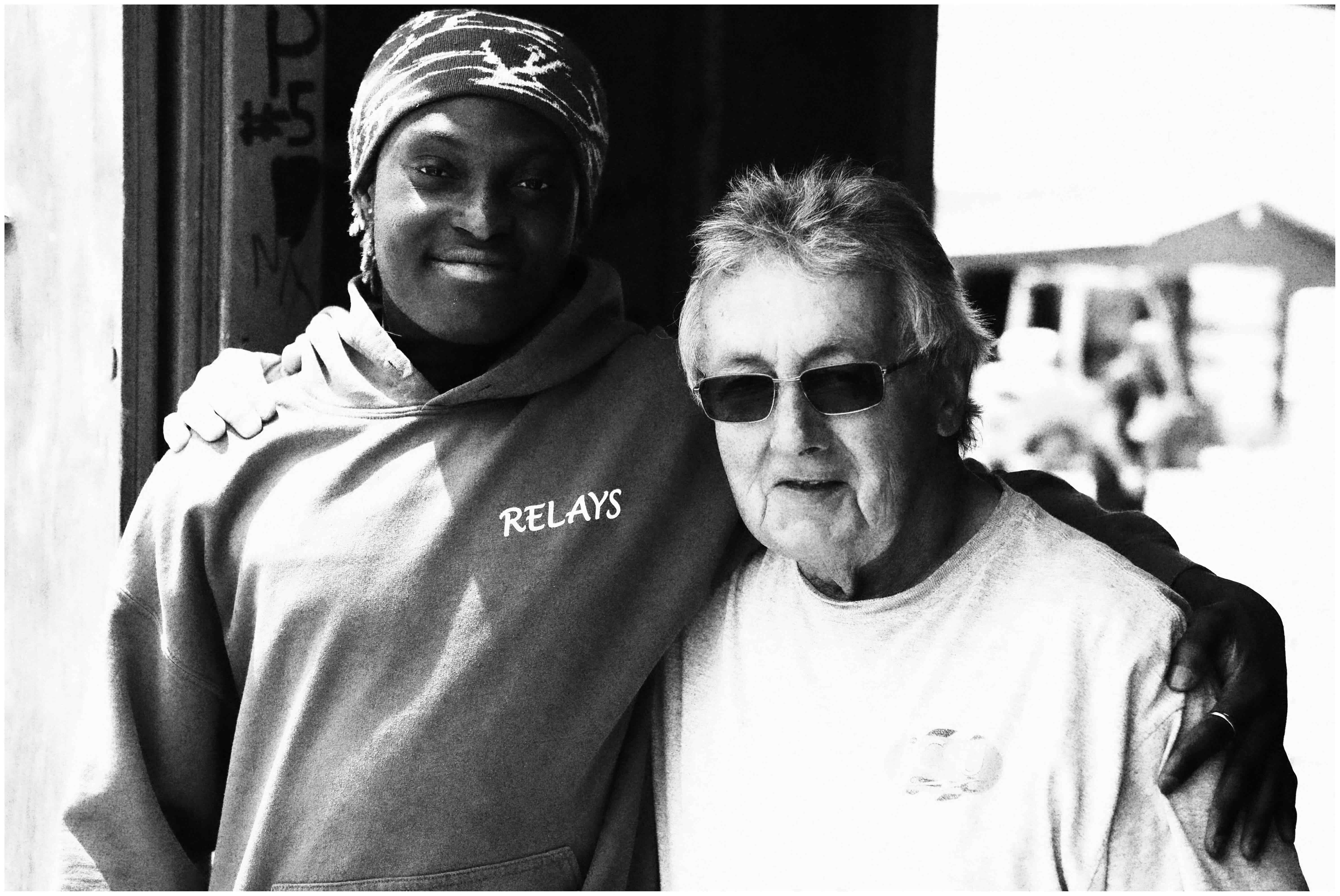
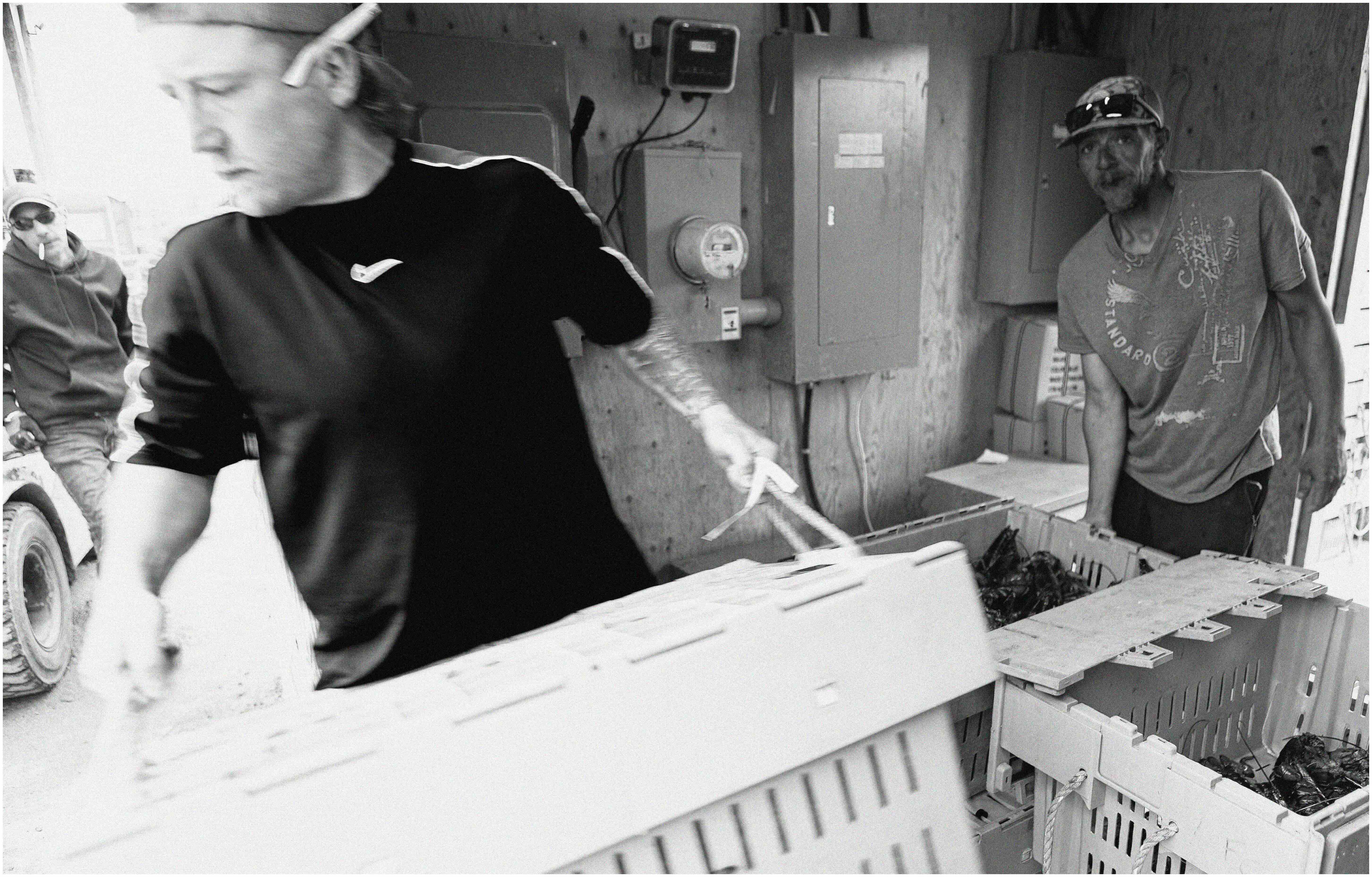
Overseeing this busy choreography of young workers and crates is a port veteran, Jim Wadden, 69. His personal story reflects, in miniature, the economic transformation of this part of Canada: “I was in the coal mines. I worked there for twenty-six years. I was a machinist, repairing equipment. It was a steady job, twelve months a year. When the mines closed, I moved into fishing.” For twenty years, Jim has been overseeing the weighing of crates. The day we reached Glace Bay to board the ferry to Newfoundland, he wasn’t satisfied with the catch: “Five crates per boat — about 450 pounds. Some days we unload fifteen. But yesterday the sea was rough, and the lobsters were hiding.”
Unloading the crates is just the first step in a long and complex supply chain. “We buy the lobsters from the fishermen and sell them to wholesalers, mostly in New Brunswick or southwestern Nova Scotia,” explains Jim. “Then there are those who freeze or can them, but at that point, I don’t know which markets they end up in.” Jim’s main concern is the price they get for their work: “It used to sell for $28 a pound, now $7.50. The big buyers set the price, and we are paid by commission.” The fact that the local fishermen have never organized into cooperatives does not help: “Each boat is independent. Many fishermen have their own small business.”
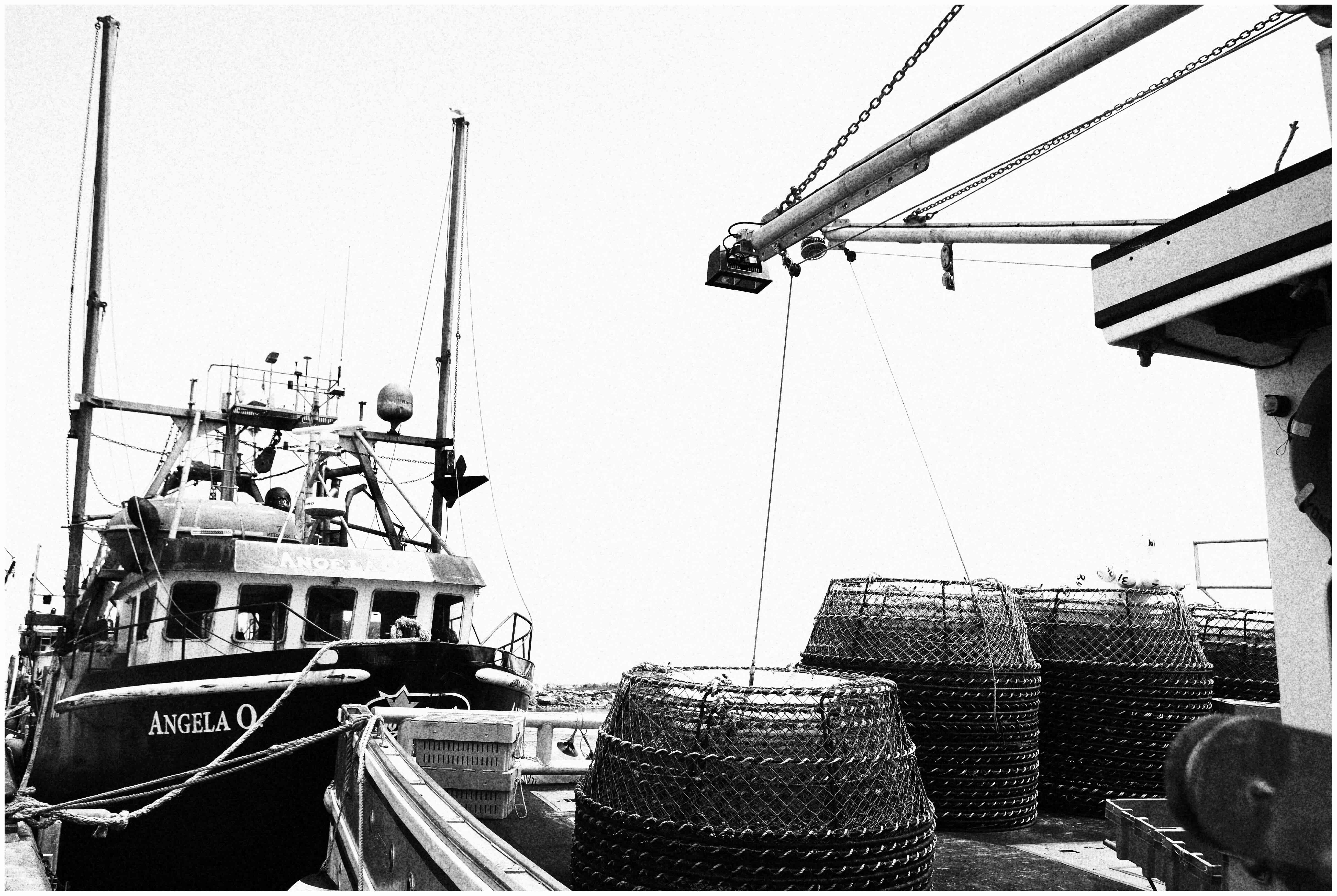
Still, in the past ten years “the fishing has improved a lot,” says Jim. “Maybe due to better management of the resource. Or maybe because of climate change: lobsters tend to move further north, into colder waters, and we benefit from that.” His company works with about 110 fishermen, who fish only two or three months a year. “After the season, many move west, to Alberta, in the oil industry: drilling, tar sands, extraction.”
And the newcomers on the dock? Jim smiles: “Yes, many are college or university students, working part-time. They mostly come from India and African countries like Kenya and Nigeria. They are hard workers, serious and kind people. The community has welcomed them well: everyone helps each other, like a big family.”
The entire lobster-fishing ecosystem is changing in this part of the world — in its economics, its fishing grounds, and in the faces you see along the docks. In Glace Bay, as in many villages across Nova Scotia and New Brunswick, seasoned port veterans now work alongside young people who have come from afar — mostly students who spend their mornings tackling logarithms and marketing theories in class, and their afternoons unloading crates of lobsters on the pier.
What hasn’t changed are the icy dawns, the salt air, and the rhythm of hands that — crate by crate — keep an ancient custom alive. Hands that, in the evening, turn back to textbooks; minds that dream of careers far from the slippery docks of the Atlantic. In this meeting of worlds and ways of knowing — between study and labour, between maritime tradition and the future — lies a fragment of Canada today.
Here’s a short video we made during our visit to Glace Bay: enjoy!
Aragoste e logaritmi
Per incontrarli devi arrivare al momento giusto: quando i pescherecci rientrano dopo una lunga giornata in mare iniziata ben prima dell’alba. In quel breve ma concitato intervallo — quando le barche attraccano e iniziano a riversare a terra il loro bottino — il piccolo porto di Glace Bay, in Nuova Scozia, si anima di scaricatori del tutto inattesi: giovani studenti universitari, per lo più stranieri, che per pagarsi tasse e affitto trascorrono l’estate a movimentare casse di aragoste, il prodotto più ambito dell’Atlantico canadese.
È lì, tra pile di nasse e contenitori di plastica bianca, con gli stivali di gomma ai piedi, che incontri ragazzi come Israel-King, 22 anni, arrivato dalla Nigeria per studiare ingegneria alla Cape Breton University (CBU): “È un lavoro piuttosto duro, ma va bene così”, dice con un sorriso mentre un peschereccio accosta al molo. “Se sei forte, te la cavi. Io l’ho trovato grazie ad altri studenti. Mi serve per pagare l’affitto, ma anche per imparare cose di cui non si parla all’università.” Accanto a lui lavora Afeez, vent’anni, anche lui nigeriano e futuro ingegnere: “All’inizio non sapevo bene come muovermi, ma si impara in fretta. Ti abitui al freddo, al ritmo, e ti accorgi che a volte, in una giornata qui, impari più che in una in classe.”
Defilato rispetto al frenetico andirivieni di persone e carrelli elevatori, immerso fino alla vita nella vasca dove le casse vengono calate nell’acqua marina refrigerata per mantenere le aragoste vive prima che siano caricate sui camion, troviamo Saksham, 24 anni, originario del Nepal, studente di turismo al college locale: “Mi piace stare qui. È divertente. Si lavora sodo, ma tra noi c’è una buona intesa: arriviamo da tanti Paesi diversi e ognuno impara un po’ dall’altro.”
Poco più in là, nel casotto della pesa, Cordel, 28 anni, giovane ingegnere nato a Dominion, a pochi chilometri da Glace Bay, gli fa eco: “È un lavoro faticoso, che ti mette alla prova. Ma mi piace ritrovarmi fra giovani con i miei stessi interessi. E poi si scherza molto fra noi. Per questo d’inverno lavoro come tecnico per la Nova Scotia Power Company e d’estate torno qui, al porto.” Per quante ne scarichino, però, le aragoste non entrano nel pacchetto di benefit di questi giovani: “Se va bene, le mangiamo a fine stagione, quando ce ne regalano un paio a testa.”
A dirigere l’operosa coreografia di giovani e casse c’è un veterano del porto: Jim Wadden, 69 anni. La sua storia personale racconta, in piccolo, la trasformazione economica di questa parte del Canada: “Arrivo dalle miniere di carbone, ci ho lavorato per ventisei anni. Facevo il tornitore, riparavo macchinari. Era un lavoro stabile, dodici mesi all’anno. Quando le miniere hanno chiuso, sono passato alla pesca.” Jim ne ha viste di pesate di casse, sono vent’anni che sovrintende all’operazione. Quel giorno, quando siamo arrivati a Glace Bay per prendere il ferry per Terranova, non era soddisfatto: “Solo cinque casse per barca, circa 450 libbre [cioè due quintali]. Ci sono giorni in cui ne scarichiamo quindici. Ma ieri il mare era mosso, e le aragoste se ne stavano rintanate.”
Lo scarico delle casse è il primo passo di una filiera lunga e articolata. “Compriamo le aragoste dai pescatori e le rivendiamo ai grossisti, per lo più in New Brunswick o nel sud-ovest della Nuova Scozia,” spiega Jim. “Poi ci sono quelli che le congelano o le inscatolano, ma a quel punto non so su quali mercati finiscano.” Il cruccio di Jim è il prezzo a cui si lavora: “Un tempo si vendeva a 28 dollari la libbra, ora a 7,50. Sono i grandi buyer a fissare il prezzo e noi siamo pagati a commissione.” Il fatto che i pescatori della zona non si siano mai organizzati in cooperative non aiuta: “Ogni barca è indipendente. Molti pescatori hanno la loro piccola impresa.”
Nonostante tutto, negli ultimi dieci anni “la pesca è migliorata molto,” dice Jim. “Forse per una gestione più oculata delle risorse. O forse per il cambiamento climatico: le aragoste tendono a spostarsi più a nord, verso acque più fredde, e quindi noi ne beneficiamo.” L’azienda per cui lavora collabora con centodieci pescatori, che lavorano soltanto due o tre mesi l’anno. “Finita la stagione, molti si spostano a ovest, in Alberta, nell’industria petrolifera: trivellazioni, sabbie bituminose, estrazione.”
E i nuovi arrivati sulla banchina? Jim sorride: “Sì, molti sono studenti del college o dell’università, e lavorano part-time. Vengono soprattutto dall’India e da paesi africani come Kenya e Nigeria. Sono gran lavoratori, persone serie e gentili. La comunità li ha accolti bene: ci si aiuta a vicenda, come in una grande famiglia.”
È l’intero ecosistema della pesca dell’aragosta che sta trasformandosi in questo tratto di mondo: negli equilibri economici, nelle zone di cattura e nei volti che si incrociano sui moli. A Glace Bay, come in tanti villaggi della Nuova Scozia e del New Brunswick, accanto ai veterani del porto ci sono giovani giunti da lontano, perlopiù studenti che al mattino affrontano in aula logaritmi e teorie di marketing, e che al pomeriggio scaricano casse di aragoste sul pontile.
Quello che non cambia sono le albe gelide, la salsedine, il ritmo delle mani che, una cassa dopo l’altra, tengono viva una consuetudine antica. Mani che la sera torneranno a sfogliare libri di testo, menti che sognano carriere in posti lontani dalle banchine sdrucciolevoli dell’Atlantico. In questo incontro fra mondi e saperi diversi — tra studio e fatica, tra tradizione marinara e futuro — è racchiuso un frammento del Canada di oggi.
Ecco un breve video realizzato durante la nostra visita a Glace Bay: buona visione!
An excellent story, contemporary and inspirational yet rooted in tradition!
I did find the article on coal mining in Nova Scotia. And the one on Gimli, MB too. My mother's grandparents were in the first group of Ukrainian/Polish homesteaders around Gimli ~1900. There's a monument to these homesteaders in Dnister, MB (a few miles from Gimli), next to the church they built (and the graveyard). I still visit yearly when in Winnipeg. Also, Winnipeggers drive to Gimli to buy fresh pickerel during fishing season on Lake Winnipeg.