
Seen, Yet Not Saved/Avvistati, eppure non salvati
Shipwreck, survival, and the long moral shadow of St. Paul Island/Naufragi, sopravvivenza e il lascito morale di St. Paul Island (EN/IT)


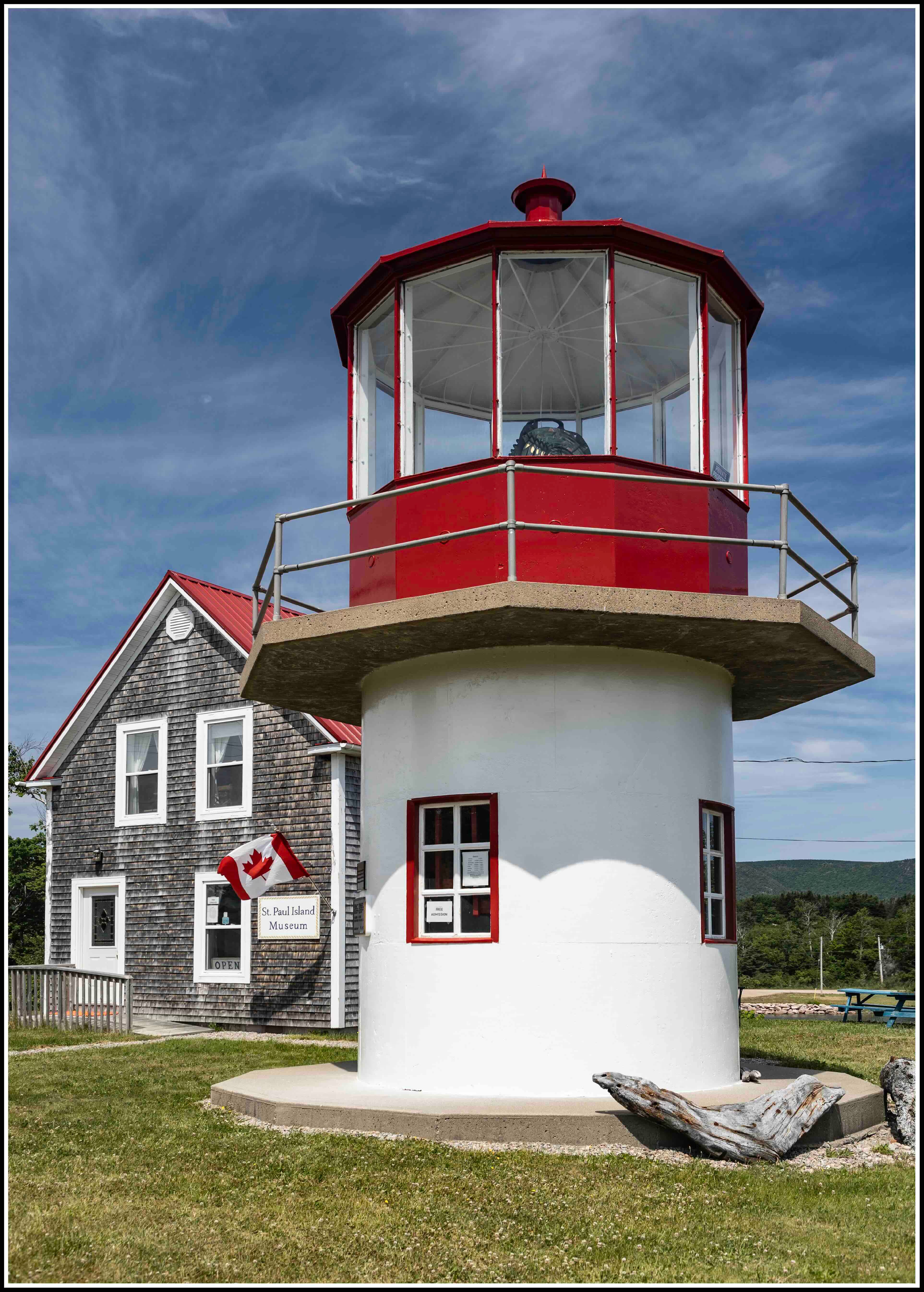
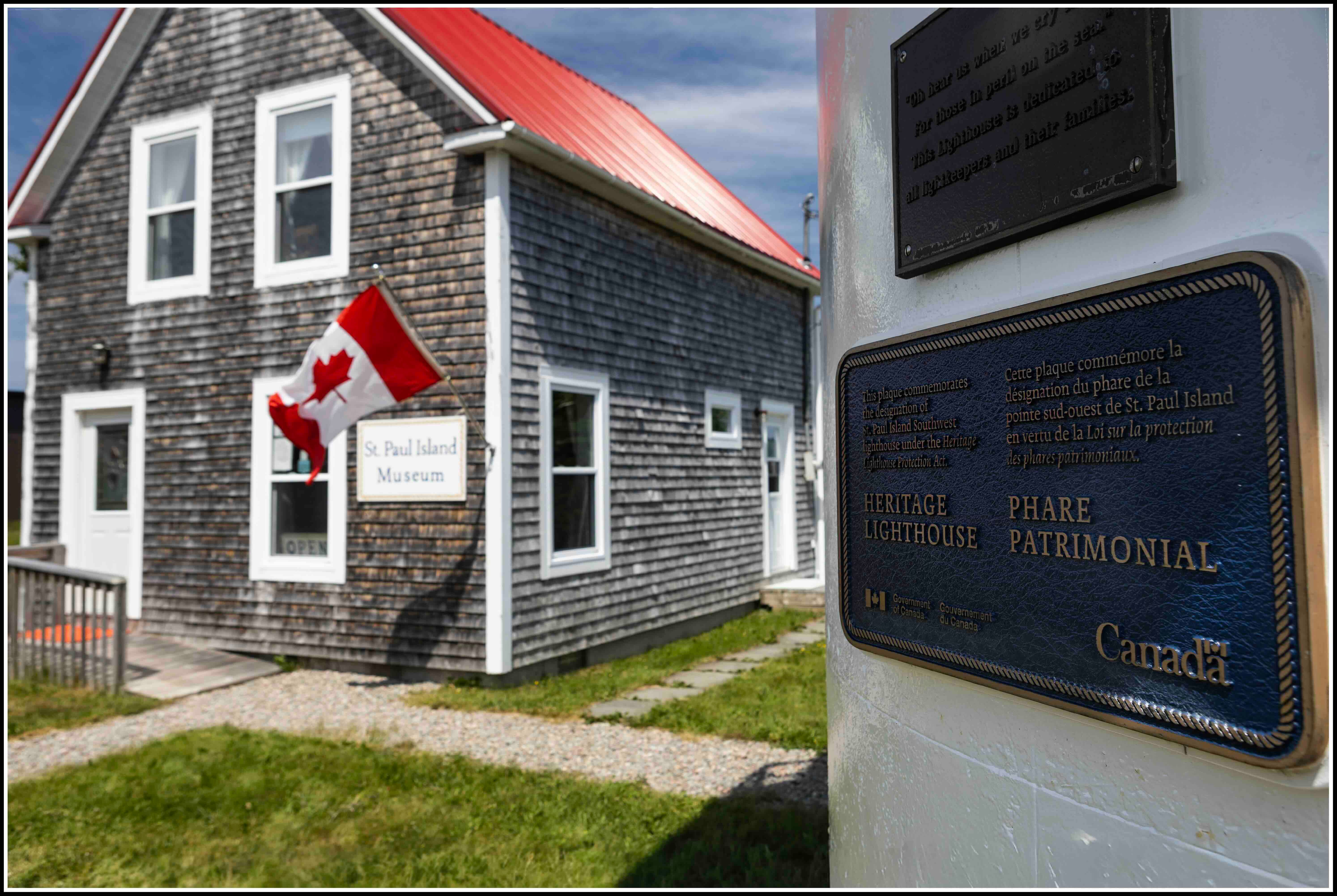
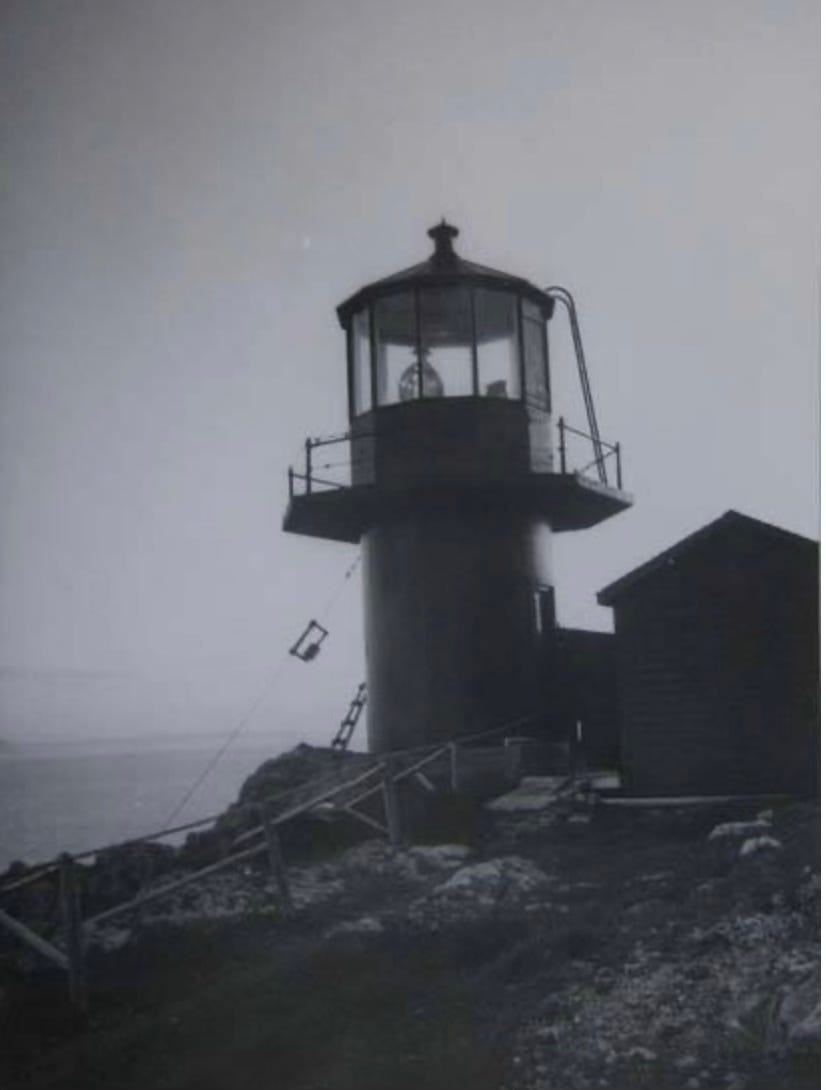
The lighthouse that stands beside the small museum in Dingwall, NS on the northern tip of Cape Breton Island, is today a historic site: tourists arrive, walk around it, climb up to see the lantern, and then move on. But for years its light lashed, solitary, across the waters of a stretch of the Cabot Strait where the treacherous cliffs of St. Paul Island rise a handful of kilometres from the coast—a passage that sailors travelling between the Atlantic and the Gulf of St. Lawrence had learned to fear.
An Island’s Forgotten Stories
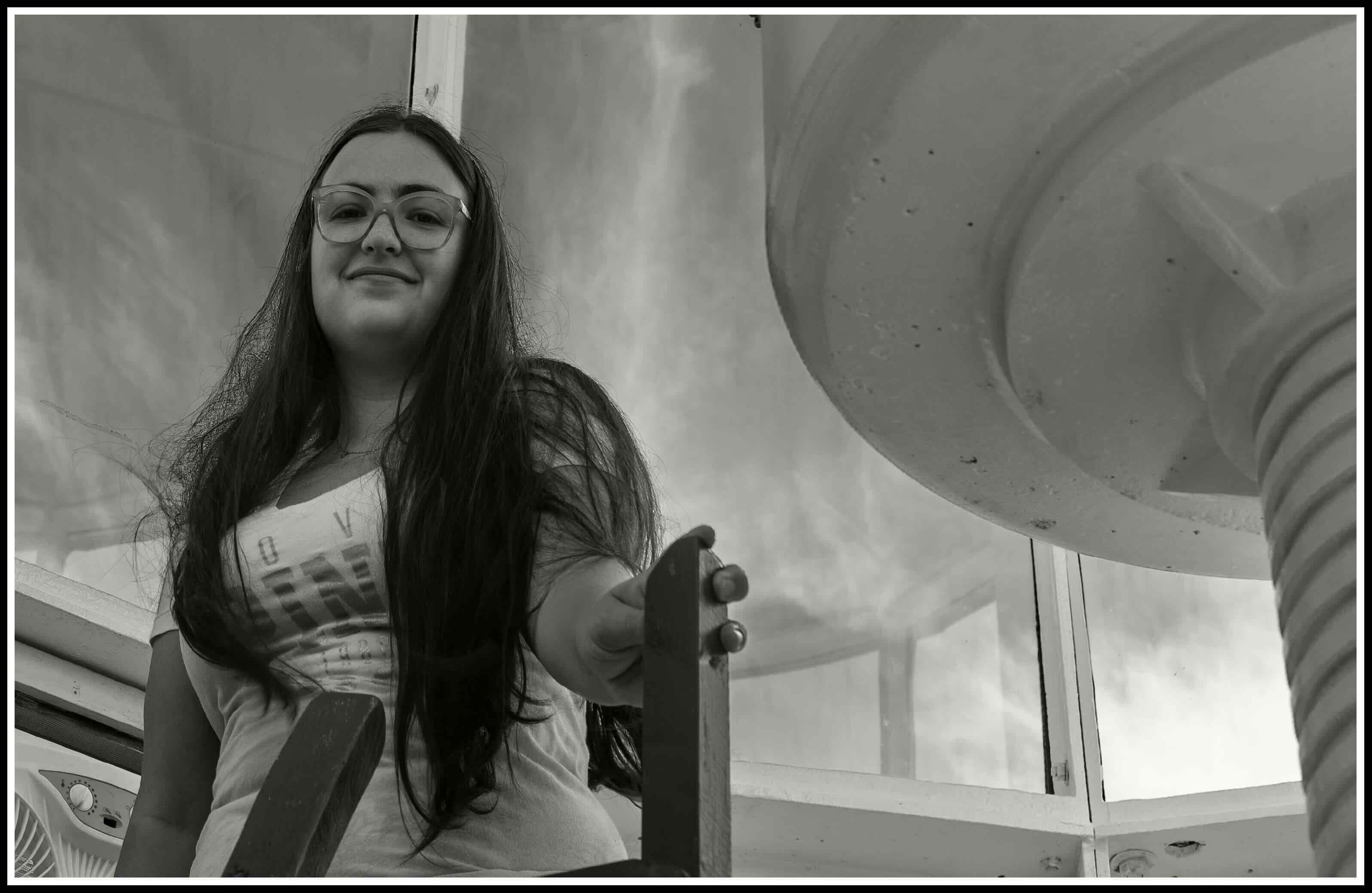
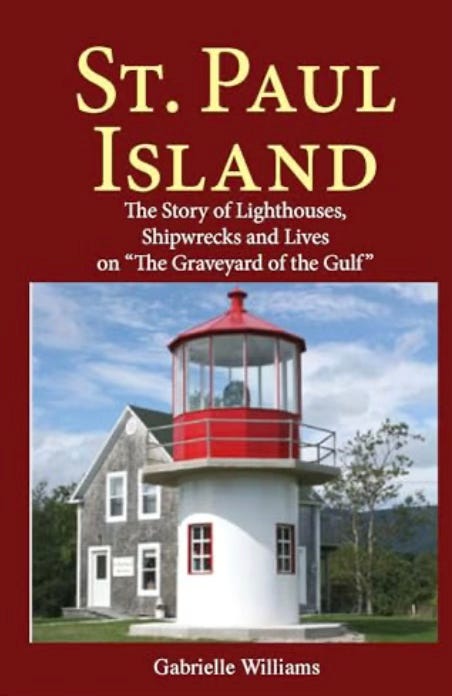
We too climb toward the top of the lighthouse, following a spiral staircase that narrows as it rises. By the old lantern we meet Gabrielle Williams, 26, a member of the museum staff and the author of a book about St. Paul Island. To write it she immersed herself in archives and local memories, coming to know that island better than many residents of Dingwall. “When I started working at the museum,” she says, “many people asked me to gather in a single volume all the testimonies related to the island’s history.”
Thus Gabrielle found herself digging through captains’ diaries, old photographs, forgotten chronicles, and keeping track of the shipwrecks that occurred all around St. Paul Island. “People say there are hundreds,” she explains. “I focused only on those where the name of the ship could be identified. In the end I counted eighty.” Eighty shipwrecks, all occurring between the late eighteenth century and the twentieth.
The Graveyard of the Gulf
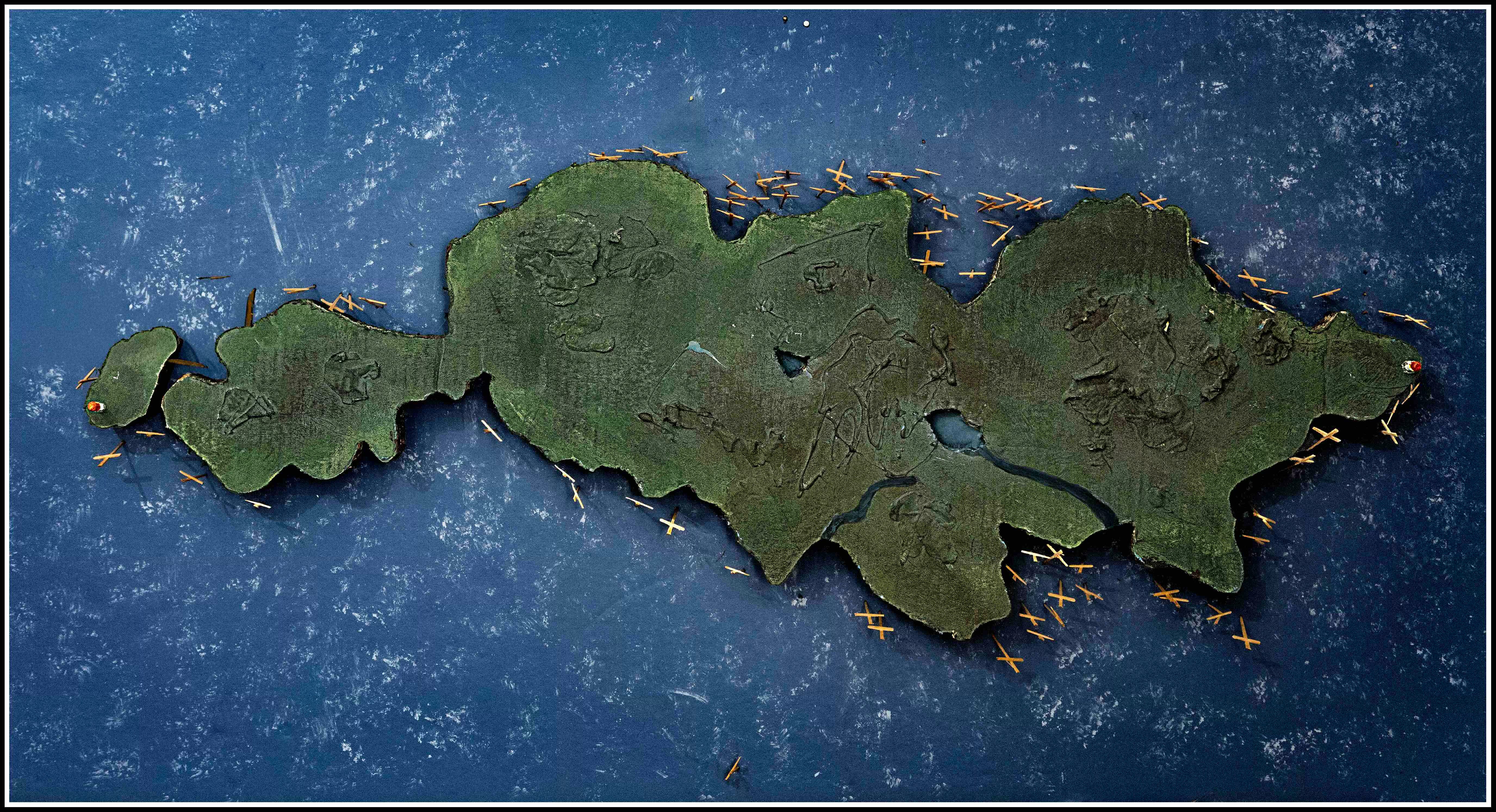
St. Paul Island lies less than eleven nautical miles from Cape Breton: on clear days it can sometimes be seen on the horizon, yet it is far enough away that reaching it still depends on weather conditions, currents and, not least, a bit of luck. From a navigational standpoint it is a nightmare: a chain of cliffs and shoals placed precisely where the Cabot Strait narrows, at the gateway to the Gulf of St. Lawrence.
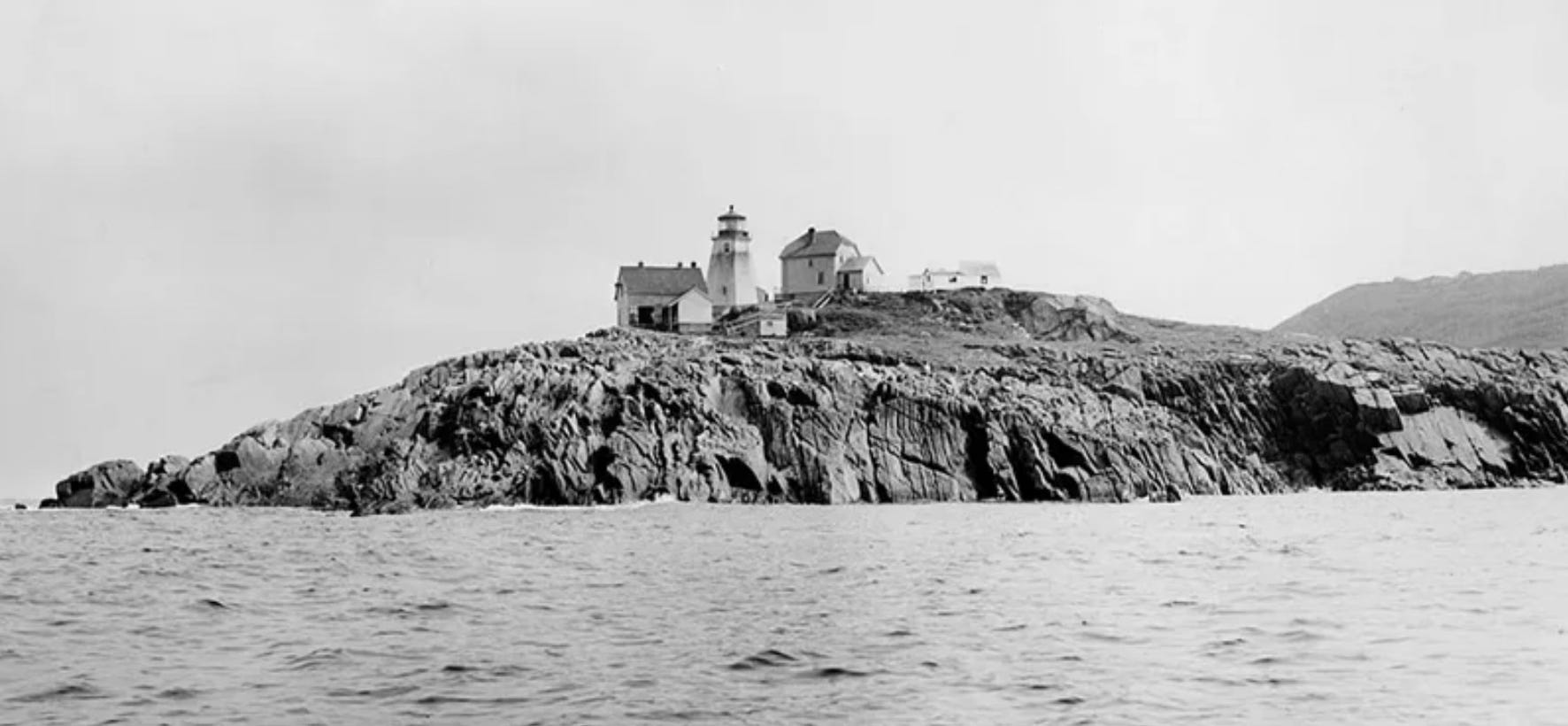
For much of its history the island remained uninhabited, devoid of anything that might help passing vessels: no lighthouse, no permanent settlement, no rescue crew. By the time the first lighthouse was finally built in 1839, the waters around St. Paul were already known as “the Graveyard of the Gulf.”
The Tragedy of the Jessie
Among the many shipwrecks, one in particular left a deep mark on the collective memory of the communities along the northern coast of Cape Breton: that of the Jessie. “Perhaps the most dramatic of all,” Gabrielle says. The ship left Prince Edward Island on Christmas Day in 1823, bound for England; a winter snowstorm drove it onto the rocks of St. Paul at dawn on the first day of the new year.
Only months later, when some men managed to reach the island in search of survivors, was it possible to reconstruct what had happened after the wreck. “The ship had broken apart,” Gabrielle recounts, “but some passengers and crew members—eleven, perhaps twelve—managed to reach the shore.”
A Winter Without Rescue
The survivors salvaged what they could from the wreck: beams, scraps of sail, and provisions the sea had not carried away. With these remnants they built a makeshift shelter. Then they began lighting fires, hoping that someone on the coast of Cape Breton might see the smoke and come to rescue them.
The smoke was seen, but it was already midwinter and the ice was beginning to close the strait. The coastal communities had only small fishing boats, unsuited to that sea in those conditions, where any mistake would have meant another shipwreck. “It was known that there were survivors on the island, but no boat left the shore,” Gabrielle says.
At the time St. Paul had no sources of food, apart from the occasional seabird. The provisions salvaged from the wreck soon ran out. Weeks passed and, little by little, the survivors died of hunger and cold. In the spring, when the ice melted, some boats reached the island. The rescuers found the remains of the improvised camp. Among the objects left behind was the diary of the shipowner, Donald McKay, in which the slow progression toward the inevitable had been recorded day by day: the dwindling supplies, the increasingly bitter cold, the deaths of the survivors one after another. Until a final, very brief entry. That notebook had become the silent witness of the winter on St. Paul Island after the shipwreck.
The Call for a Lighthouse
At the time, the tragedy of the Jessie—and the way it had unfolded—heightened public pressure to install a lighthouse on the island. For years bureaucratic disputes had delayed any decision. “No one could agree on who should pay for its construction and maintenance,” Gabrielle explains. “Technically the island belonged to Nova Scotia, but that stretch of sea concerned the navigation of everyone.”
Ships bound for Prince Edward Island and Newfoundland sailed those routes, as did vessels arriving from Britain and the wider Atlantic. It had never been clearly established who should take responsibility for lighthouses or rescue crews; meanwhile ships continued to pass the island in darkness, each time risking a fatal collision.
“The wreck of the Jessie broke the stalemate,” Gabrielle says, “at least in part.” Even so, it took another fourteen years before a lighthouse was finally lit on St. Paul Island in 1839, followed years later by a second one at the northern tip, since the most dangerous reefs for ships lay on both sides.
Keepers and Survivors
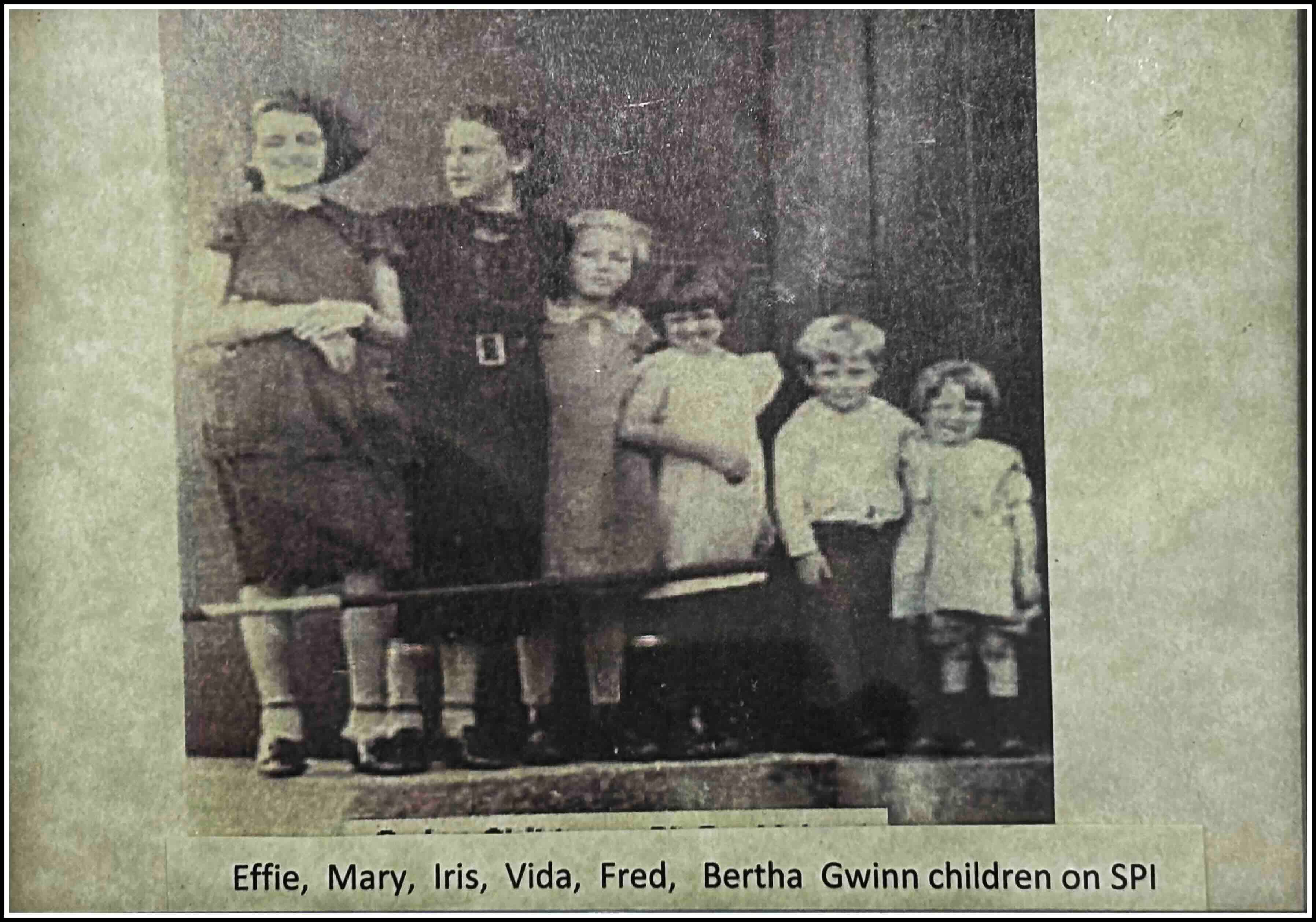
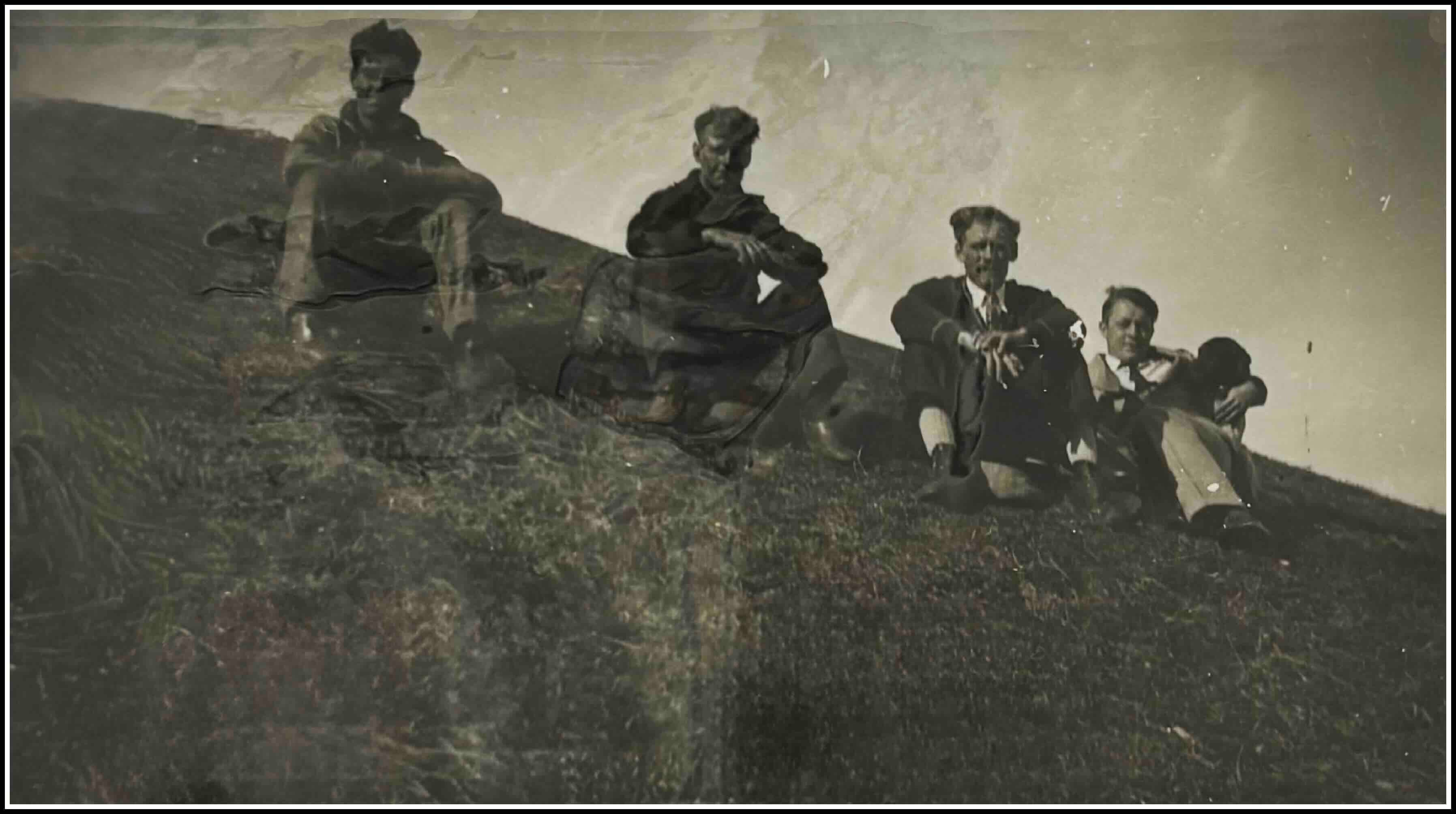
The lighthouses began saving lives even when they could not prevent shipwrecks. Gabrielle recalls one episode in particular, dating from the 1930s or 1940s, when two boats of seal hunters became trapped in the ice not far from the island. “The crews abandoned their boats and crossed the frozen strait on foot, walking until they reached land.”
They were welcomed by the lighthouse keepers and their families. By then, on that rocky outcrop where once there had been nothing but grass and seabirds, the presence of the lighthouse keepers had given rise to a small, stable community. “They suddenly found themselves on the island with one hundred and thirty people,” Gabrielle says. “For days the families shared what they had, hosting and caring for the stranded hunters until a government icebreaker arrived to take them away.
Echoes and Graves
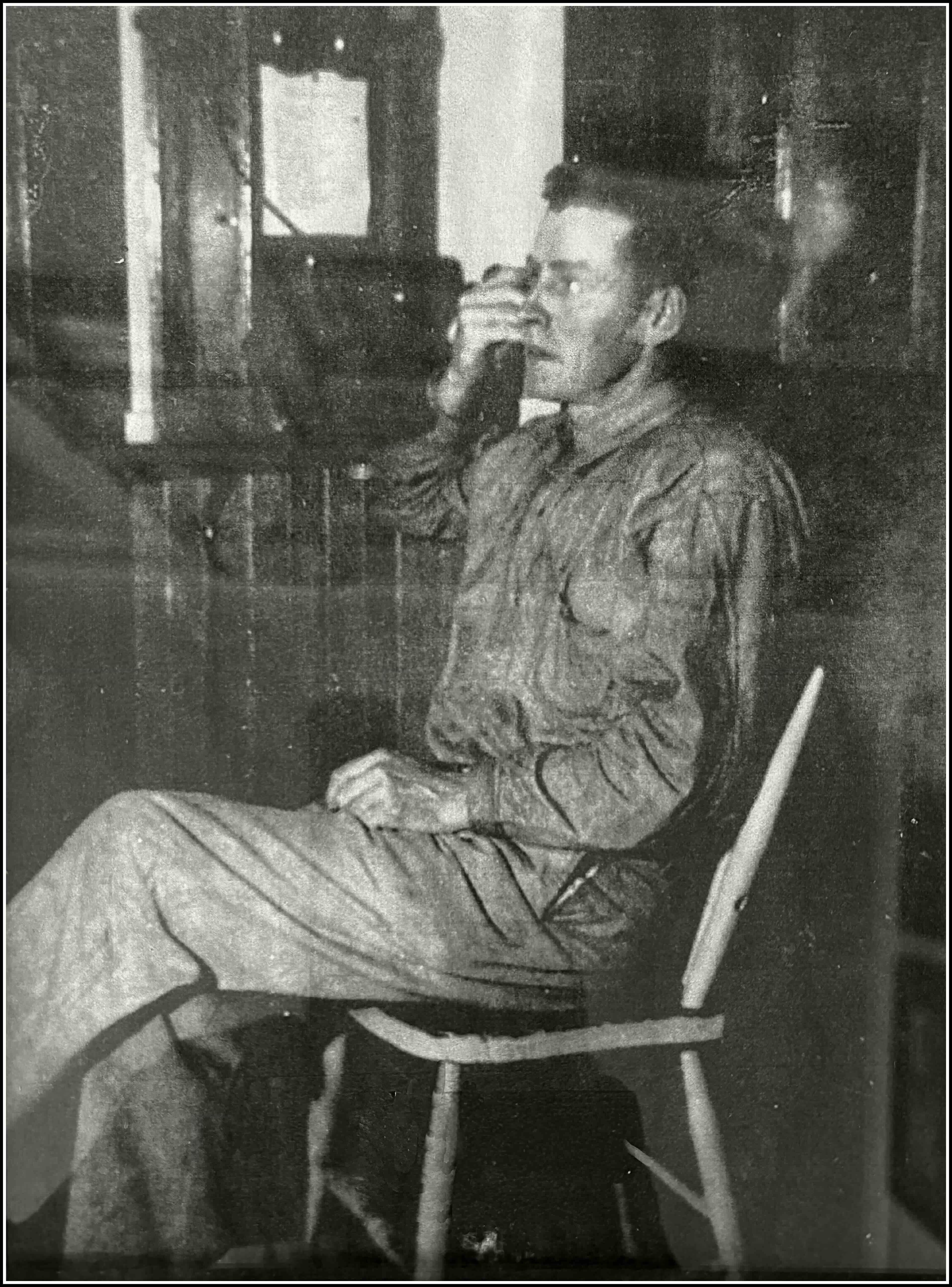
Today St. Paul Island is largely a protected bird sanctuary, and access is allowed only with special permission. Of the two lighthouses only one survives, on the northern headland, but the last keeper left years ago, when the light station was automated. Some of the dead have remained on the island as well, buried wherever the ground allowed it, among rocks and low shrubs. “The soil is so hard that there are very few places where you can dig deeply,” Gabrielle explains. “There are small cemeteries scattered here and there, but many of the graves are anonymous.”
The only headstones bearing names are those of Eric and Violet Laing, five-month-old twins who died while their father was working as a radio operator at the island station. It is a quiet, almost domestic memory, in the midst of a landscape that has swallowed entire ships
When St. Paul Appears
When we step out of the lighthouse tower, we find a clearing sky, a sharp light. From the headland above Dingwall the Cabot Strait today is unusually calm, a sheet of blue steel that deceives the eye.“On days like this,” Gabrielle says, looking north, “sometimes you can see St. Paul.”
Out there, beyond a pale band of water, one can barely make out a thin line where sea and sky meet. Two centuries ago, from that almost invisible line, smoke rose. Someone on this coast saw it.
On a clear afternoon like this, the island does not seem that far away.

Il faro che si erge accanto al piccolo museo di Dingwall, nel nord dell’isola di Cape Breton, in Nova Scotia, è oggi un sito storico: i turisti arrivano, ci girano attorno, salgono a vedere la lanterna e poi ripartono. Ma per anni la sua luce ha sferzato, solitaria, le acque di un tratto dello Stretto di Caboto, là dove le insidiose scogliere di St. Paul Island affiorano a una manciata di chilometri dalla costa: un passaggio che i marinai in transito tra l’Atlantico e il Golfo di St. Lawrence avevano imparato a temere.
Storie dimenticate di un’isola
Saliamo anche noi verso la cima del faro, seguendo una spirale di scale che si stringe man mano verso l’alto. Accanto alla vecchia lanterna ci aspetta Gabrielle Williams, ventisei anni, dipendente del museo e autrice di un libro su St. Paul Island. Per scriverlo si è immersa negli archivi e nelle memorie locali, arrivando a conoscere quell’isola più di molti abitanti di Dingwall. “Quando ho iniziato a lavorare al museo,” racconta, “in tanti mi hanno chiesto di raccogliere in un unico volume tutte le testimonianze relative alla storia dell’isola.”
Così Gabrielle si è ritrovata a rovistare tra diari di capitani, vecchie fotografie, cronache dimenticate, e a tenere il conto dei naufragi avvenuti tutt’intorno a St. Paul Island. “Si dice che siano centinaia,” spiega. “Io mi sono concentrata solo su quelli in cui si riusciva a risalire al nome della nave: alla fine ne ho contati ottanta.” Ottanta naufragi, tutti avvenuti tra la fine del Settecento e il Novecento.
Il cimitero del golfo
St. Paul Island si trova a meno di undici miglia marine da Cape Breton: nelle giornate limpide può accadere di vederla all’orizzonte, eppure è abbastanza lontana da far sì che raggiungerla dipenda ancora oggi dalle condizioni atmosferiche, dalle correnti e, non ultimo, da un pizzico di fortuna.
Dal punto di vista della navigazione è un incubo: una sequenza di scogliere e bassifondi piazzati proprio lì dove il Cabot Strait si restringe, alla porta del Golfo di St. Lawrence. Per gran parte della sua storia l’isola rimase disabitata, priva di qualsiasi cosa che potesse aiutare i vascelli di passaggio: nessun faro, nessun insediamento stabile, nessuna squadra di soccorso. Quando finalmente, nel 1839, venne eretto il primo faro, le acque intorno a St. Paul erano già note come “il cimitero del golfo”.
La tragedia della Jessie
Tra i tanti naufragi, uno ha lasciato un segno profondo nella memoria collettiva degli abitanti della costa settentrionale di Cape Breton: quello della Jessie. “Forse il più drammatico di tutti,” dice Gabrielle. La nave lasciò Prince Edward Island il giorno di Natale del 1823, diretta in Inghilterra; una tempesta di neve invernale la spinse contro gli scogli di St. Paul all’alba del nuovo anno. Solo mesi più tardi, quando alcuni uomini riuscirono a raggiungere l’isola in cerca di superstiti, si potè ricostruire che cosa era successo dopo lo schianto.
“La nave si era spezzata,” racconta Gabrielle, “ma alcuni passeggeri e membri dell’equipaggio — undici, forse dodici — riuscirono a raggiungere la riva.” I sopravvissuti recuperarono quello che poterono dal relitto: travi, brandelli di vela, le provviste che il mare non aveva portato via. Con quei resti costruirono un riparo di fortuna. Poi iniziarono ad accendere fuochi, sperando che qualcuno, sulla costa di Cape Breton, vedesse il fumo e li venisse a salvare.
Senza speranza di soccorso
Il fumo fu visto, ma era già pieno inverno, e i ghiacci cominciavano a serrare lo stretto. Le comunità della costa avevano solo piccole barche da pesca, inadatte a quel mare in quelle condizioni, dove ogni errore si sarebbe trasformato in un altro naufragio. “Si sapeva che sull’isola c’erano dei superstiti, ma nessuna barca lasciò la riva”, dice Gabrielle.
All’epoca su St. Paul non c’erano fonti di cibo, se non la presenza di qualche uccello marino. Le provviste recuperate dal relitto durarono poco. Passarono le settimane e, poco alla volta, i superstiti morirono di fame e di freddo. In primavera, quando il ghiaccio si sciolse, alcune barche raggiunsero l’isola. I soccorritori trovarono i resti del campo improvvisato. Tra gli oggetti rimasti c’era anche il diario dell’armatore, Donald McKay, in cui era stato annotato giorno dopo giorno il lento percorso verso l’inevitabile: l’assottigliarsi delle scorte, il freddo sempre più intenso, la morte di uno dopo l’altro dei superstiti. Fino a un’ultima, brevissima annotazione. Quel quaderno era diventato il testimone silenzioso dell’inverno su St. Paul Island dopo il naufragio.
L’appello per un faro
All’epoca, la tragedia della Jessie — e il modo in cui si era consumata — accrebbe la pressione dell’opinione pubblica perché sull’isola si installasse un faro. Per anni le dispute burocratiche avevano rallentato ogni decisione. “Non ci si accordava su chi dovesse pagarne la costruzione e la manutenzione”, spiega Gabrielle. “Tecnicamente l’isola apparteneva alla Nova Scotia, ma quel tratto di mare riguardava la navigazione di tutti”.
Su quelle rotte passavano le navi dirette a Prince Edward Island e a Newfoundland, come pure i vascelli provenienti dalla Gran Bretagna e dall’Atlantico. Non era mai stato chiarito chi dovesse farsi carico dei fari o delle squadre di soccorso; intanto le navi continuavano a sfiorare al buio l’isola, rischiando ogni volta l’impatto fatale. “Il naufragio della Jessie ruppe lo stallo,” racconta Gabrielle, “almeno in parte”. Ci vollero comunque altri quattordici anni prima che, nel 1839, su St. Paul Island venisse acceso un faro, seguito anni dopo da un secondo all’estremità settentrionale, dato che gli scogli più insidiosi per le navi si trovavano su entrambi i lati.
Guardiani e sopravvissuti
I fari cominciarono a salvare vite anche quando non riuscivano a prevenire i naufragi. Gabrielle ricorda un episodio in particolare, risalente agli anni Trenta o Quaranta del Novecento, quando due barche di cacciatori di foche rimasero intrappolate nei ghiacci non lontano dall’isola: “Gli equipaggi abbandonarono le barche e attraversarono a piedi lo stretto gelato, camminando finché non raggiunsero terra”.
Furono i guardiani del faro e le loro famiglie ad accoglierli. Nel frattempo, su quello sperone roccioso dove un tempo non c’erano che erba e uccelli marini la presenza dei guardiani del faro aveva dato vita a una piccola comunità stabile. “Si ritrovarono sull’isola con centotrenta persone”, racconta Gabrielle. “Per giorni le famiglie condivisero quello che avevano, ospitando e curando i cacciatori rimasti bloccati, finché un rompighiaccio governativo non arrivò a portarli via”.
Tra echi e sepolture
Oggi St. Paul Island è in gran parte una riserva ornitologica protetta, e l’accesso è consentito solo con permesso; dei due fari ne sopravvive uno soltanto, sul capo settentrionale, ma l’ultimo guardiano se n’è andato da anni, da quando la lanterna è stata automatizzata. Anche alcuni morti sono rimasti sull’isola, sepolti dove il terreno lo consentiva, tra rocce e cespugli bassi. “Il suolo è così duro che ci sono pochissimi punti in cui si riesce a scavare a fondo,” spiega Gabrielle. “Ci sono piccoli cimiteri sparsi qua e là, ma molte tombe sono anonime.”
Le uniche lapidi con un nome sono quelle di Eric e Violet Laing, due gemelli di cinque mesi, morti mentre il padre lavorava come operatore radio sulla stazione dell’isola. È una memoria discreta, quasi domestica, in mezzo a un paesaggio che ha inghiottito navi intere.
Quando appare St. Paul
Quando usciamo dalla torre del faro, troviamo un cielo schiarito, una luce nitida. Dal promontorio sopra Dingwall il
Cabot Strait oggi è insolitamente calmo, un piatto di acciaio azzurro che inganna l’occhio. “In giornate come questa,” dice Gabrielle guardando verso nord, “a volte si riesce a vedere St. Paul.” Laggiù, oltre una fascia chiara d’acqua, si distingue appena una riga sottile dove mare e cielo si toccano.
Due secoli fa, da quella linea quasi invisibile, si alzò del fumo. Qualcuno, da questa costa, lo vide. In un pomeriggio limpido come questo, l’isola non sembra poi così lontana.
Video of Dingwall Beach, with St. Paul Island faintly visible on the horizon/Video della spiaggia di Dingwall, con l’Isola di St. Paul appena percettibile all’orizzonte (Video: Arianna Dagnino)
For someone used to living in cities, St. Paul Island seems like a very lonely, quiet place. No roads, no workable soil, just birds and the wind. I think lighthouse keepers on Canada's craggy Atlantic isles and coasts were very hardy, special people.
https://it.wikipedia.org/wiki/Tristan_da_Cunha