
Selling the North
How an English-born immigrant raised in former Rhodesia became Northern Ontario's unlikely ambassador/Quando le comunità smettono di inseguire aziende e iniziano a cercare nuovi abitanti (EN/IT)



There is a professional figure that is becoming increasingly common in small Canadian communities. Officially, the title is Economic Development Officer. In practice, however, the role is closer to that of a matchmaker or facilitator: someone whose job is to bring the right place together with the right people.
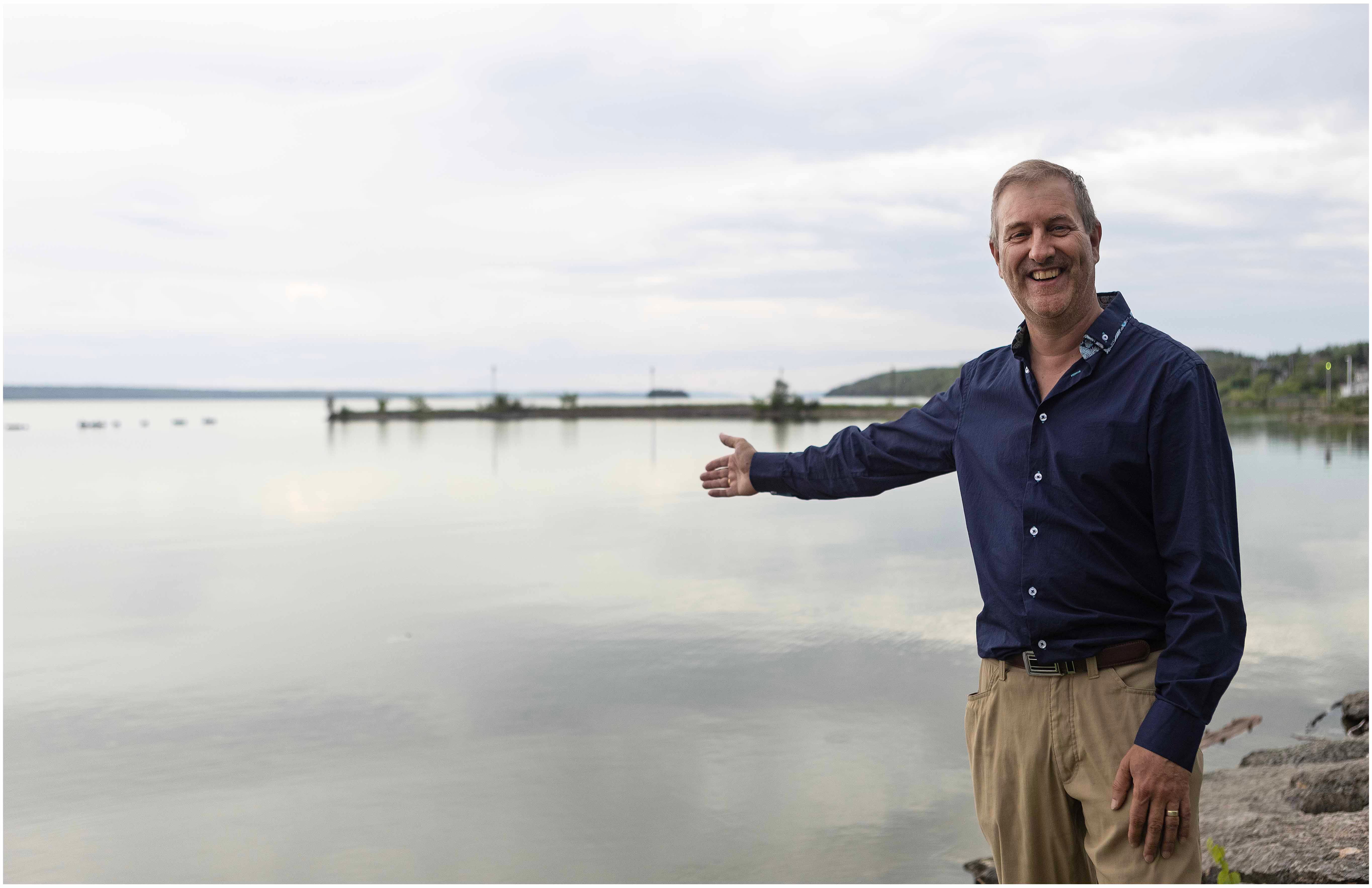
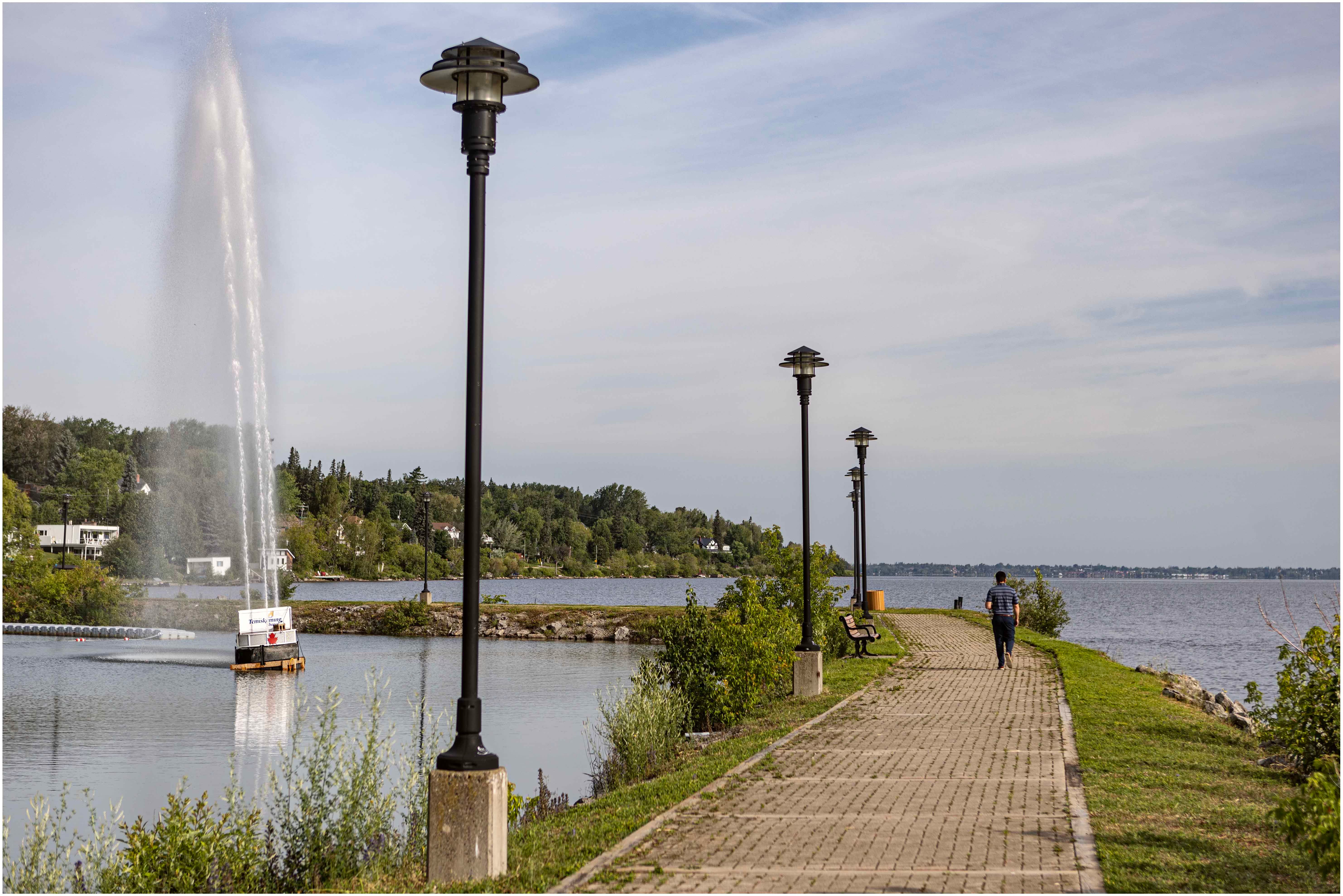
We met one of them in Temiskaming Shores, a town overlooking Lake Temiskaming on the border between Ontario and Quebec. His name is James Franks, and his job is to persuade young families, skilled workers and newcomers that a community of just 10,000 people in Northern Ontario could be the place to build a life. To do so, he regularly drives hundreds of kilometres to job fairs in Toronto and recruitment events aimed at prospective immigrants. As he puts it, he goes there to “wave the flag” for the North.
Three continents, one home
Yet what stayed with us most after our conversation was not the employment figures or the demographic trends, but something far more personal: the man whose job is to convince others to move to Northern Ontario is himself an immigrant.
James Franks’s story spans three continents. Born in England, he spent part of his childhood in what was then Rhodesia, now Zimbabwe, where his mother had settled after remarrying. He was almost twelve when the civil war forced the family to move once again, this time to Canada.
It is striking to think that the boy who once arrived from elsewhere would, decades later, become one of the strongest advocates for a place he never chose in the first place, but now calls home.
When Franks joined the Town of Temiskaming Shores’ economic development department twenty-five years ago, his mission looked very different. “My job was to bring businesses to town.”
When businesses are no longer the problem
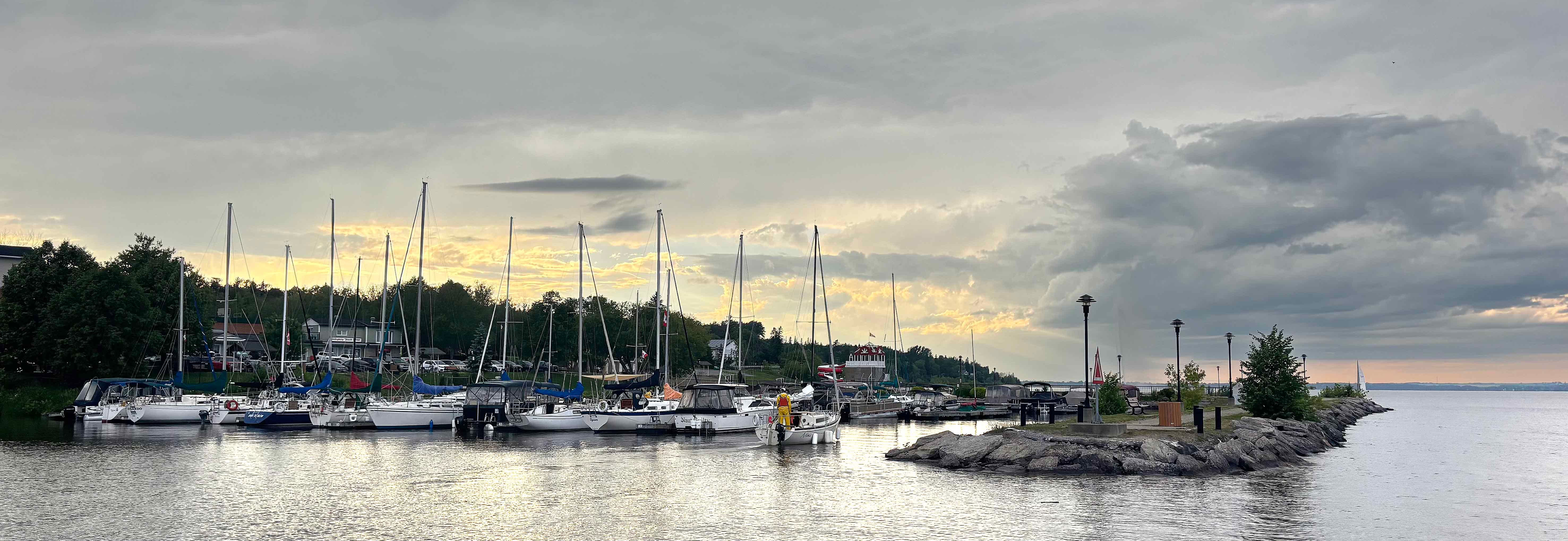
Like many communities across Northern Ontario, Temiskaming Shores competed to attract investment, industries and new employers. Success was measured by the number of companies willing to establish a plant or open an office in the region.
Then, about fifteen years ago, everything changed. “It wasn’t about bringing in more businesses anymore. We already had enough—in fact, there wasn’t any room for more.”
The shift happened quietly across much of rural Canada. Today, many Northern Ontario communities no longer need to persuade businesses to relocate north. The businesses are already there. What they lack are people willing to move there and work for them.
That new reality now shapes James Franks’s working life. “We go to job fairs in Toronto and wave our little flag,” he says. “We set up a booth with a big sign that says, ‘Come and live in Northern Ontario.’”
“I bet you could afford a house here”
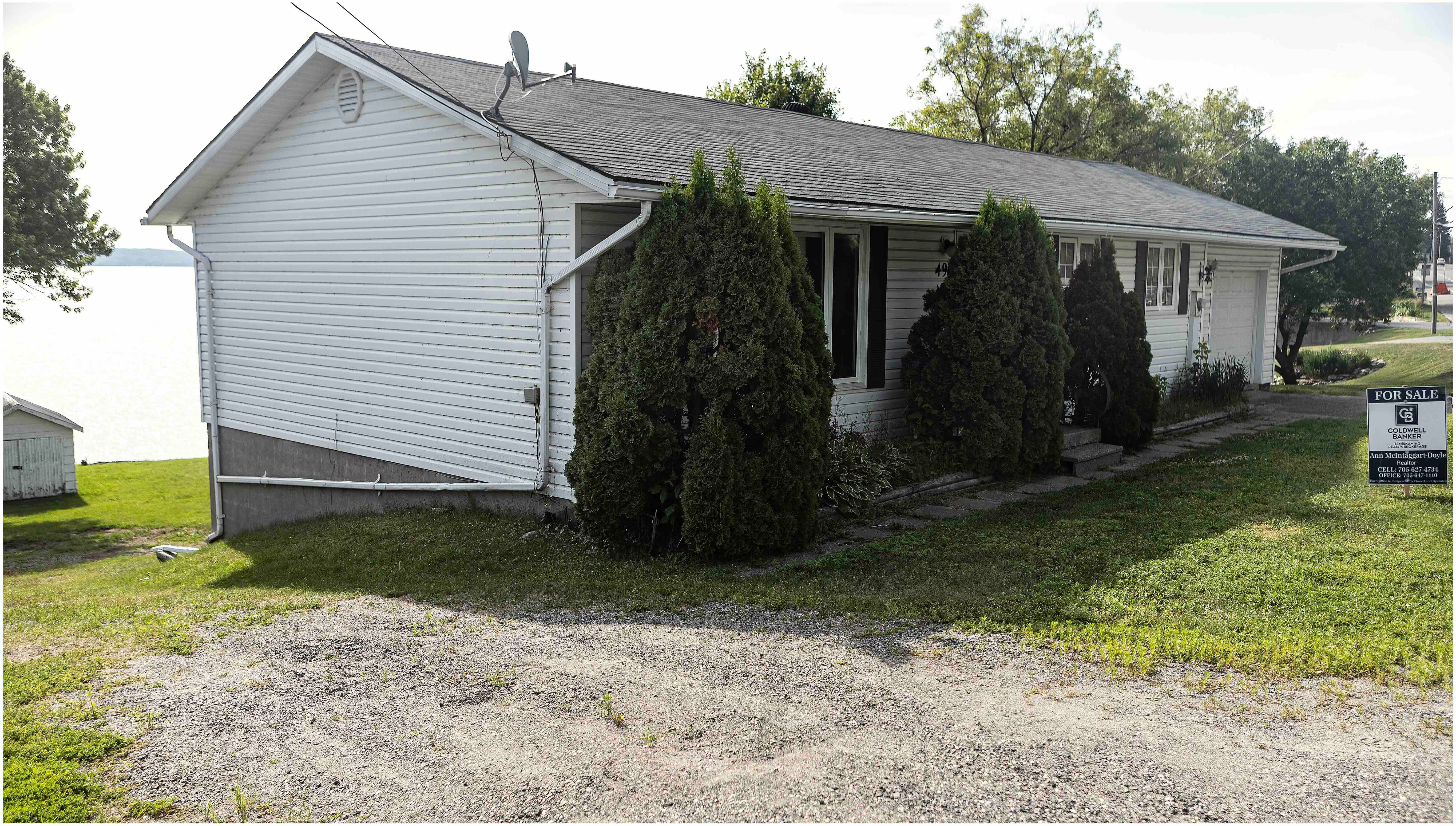
The conversation with prospective recruits almost always begins the same way. “I bet you could afford to buy a house where we live.” For people coming from the Greater Toronto Area, it is a difficult proposition to ignore. A typical three-bedroom detached home in Temiskaming Shores sells for around CAD 320,000—a fraction of what a comparable property would cost in southern Ontario.
But even that figure, James explains, tells only part of the story. “The farther north you go in our area, closer to the lake, the higher the prices become. If you head south toward Cobalt, the average house costs somewhere between CAD 180,000 and CAD 200,000.”
The explanation lies in history. At the beginning of the twentieth century, Cobalt grew almost overnight after rich silver deposits were discovered. Thousands of miners needed somewhere to live, so simple, inexpensive houses were built as quickly as possible.

A few kilometres away, meanwhile, elegant homes rose along Haileybury’s waterfront, where mine owners and business leaders made their homes. “They still call it Millionaires’ Road,” James says.
Social divisions were so pronounced that, at one time, a municipal bylaw prohibited miners from walking along the waterfront carrying their lunch pails. Evidently, the town’s elite preferred not to be reminded who was doing the hardest work underground.
Stories like these are part of the way Franks introduces people to the region. He is not simply selling affordable housing; he is presenting a community shaped by history, identity and a landscape that continues to define it today.
Asked whether twenty-five years of recruitment efforts have produced the results he had hoped for, he answers with disarming honesty. “Not particularly.”
The boom nobody expected
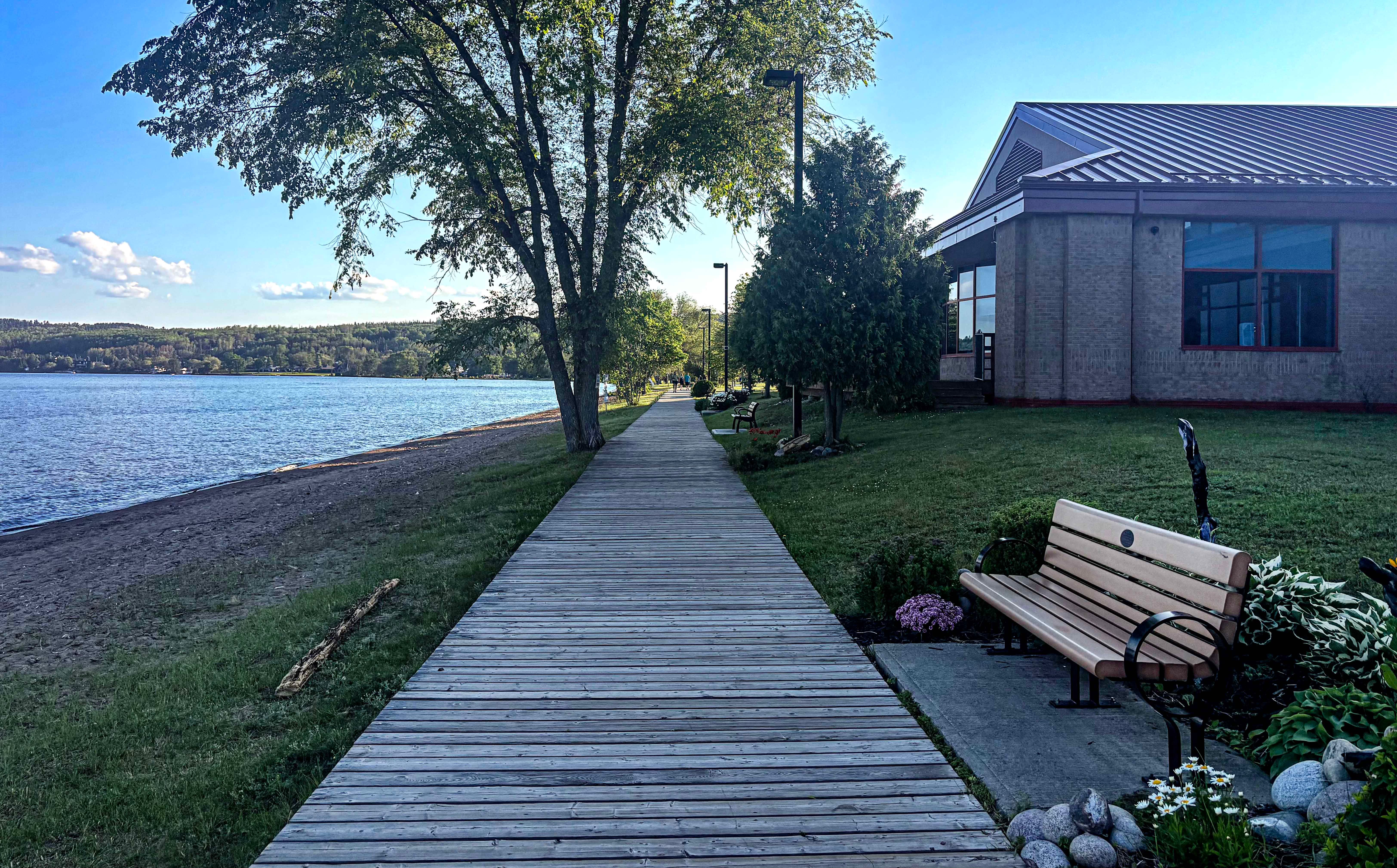
Then came the pandemic. For Temiskaming Shores, it brought a brief but unexpected period of prosperity. “In 2020 and 2021 we had the best tourism seasons we’ve ever had. We were considered a ‘green zone’,” he recalls, referring to the area’s low number of COVID-19 cases. “People came here for their holidays. The hotels were full.”
The housing market changed just as dramatically. “In 2019, the average home sold for about CAD 220,000. Today it’s over CAD 330,000.” At first glance, that sounded like good news.In some ways it was—but not for the reasons the community had hoped.
Many of the newcomers were early retirees or professionals working remotely. After selling homes in the Toronto area for well over a million dollars, they could buy a lakeside property outright, without taking out a mortgage. “They weren’t the people we were trying to attract,” James explains. “They didn’t fill our vacant jobs, and at the same time they reduced the supply of housing.”
The irony is clear. The affordability that had long been his strongest selling point became increasingly difficult to offer to the very people the community most needed. “Now the challenge is persuading people with modest incomes—people who are coming here to work—to make the move.”
Turning newcomers into neighbours
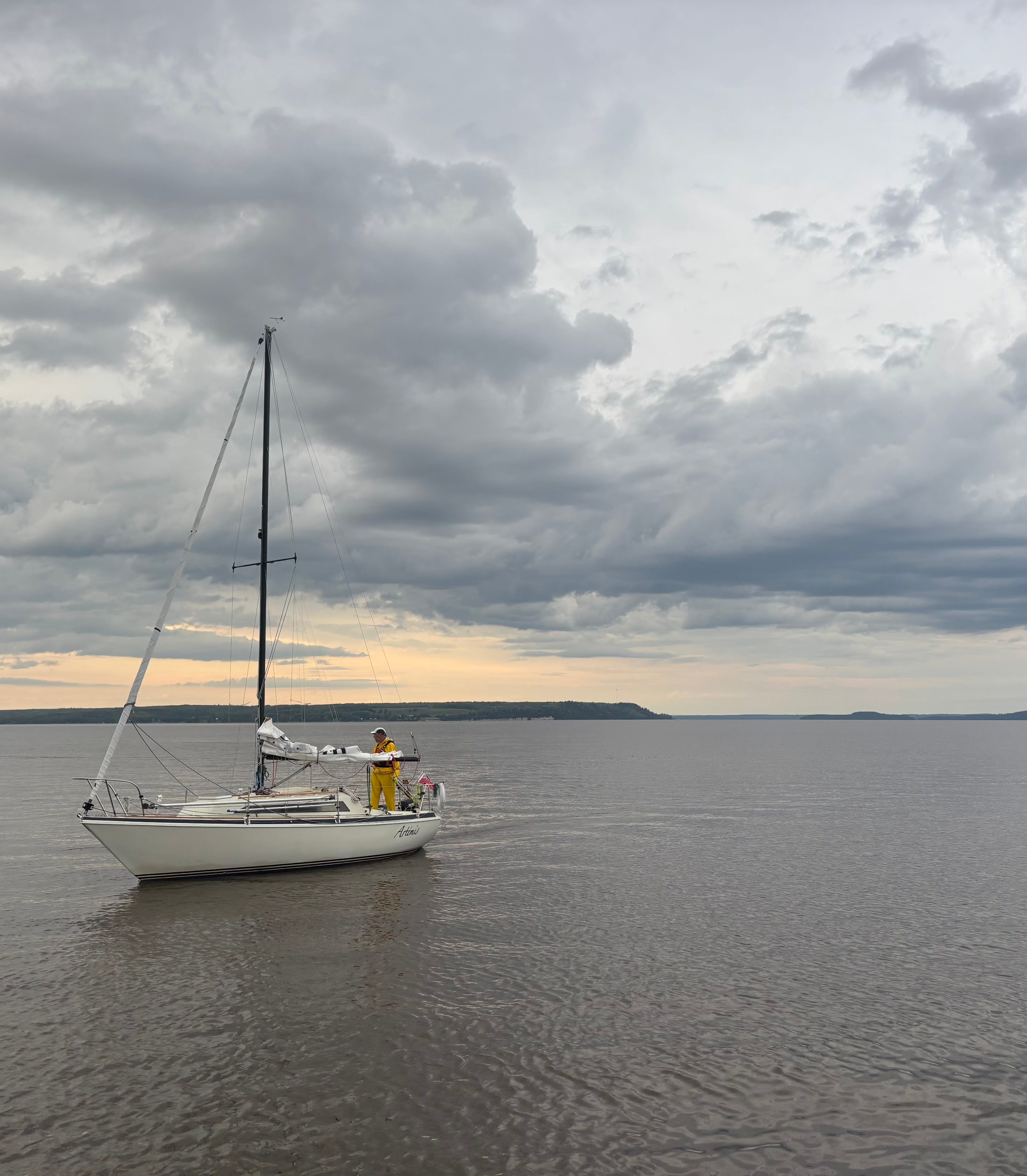
But persuading someone to relocate is only the beginning. Finding a person a job is one thing. Helping them build a life and stay is something else entirely. “You have to make sure newcomers become part of the community.”
At that point, Franks’s role begins to resemble that of an intercultural facilitator more than an economic development officer. The questions become different. Will the newcomer be able to find a family doctor? Will their partner find meaningful work? Will their children settle into school? Will they make friends? Will they eventually feel at home?
In James’s experience, those questions often matter more than the job itself. “And, above all, they have to like this lifestyle,” he says, pointing towards the lake. “People move here because they love the North and they love our community.”
That also means acknowledging reality. Northern Ontario offers many opportunities—but not every kind. “If you work in technology or the arts, there aren’t many jobs,” James says. What the region does offer are careers in mining, agriculture, manufacturing and the skilled trades. “We need workers.”
Temiskaming Shores itself has also changed over the past decade. “We’ve probably gone from one per cent visible minorities to four or five per cent.” That growing diversity has brought opportunities, but also new responsibilities.
Some newcomers struggled to find housing. Others found work, only to leave after experiences that had little to do with the job itself. “Some people had rude things said to them by insensitive co-workers,” James recalls. “And they left.”
He offers no excuses. Instead, he describes how the community gradually came to recognise a problem that barely existed a decade ago—and how it is still learning to address it.
“Today we fund newcomer programmes, organise community events to help people integrate, and provide training for employers. We’re trying to help people feel welcome and make sure inappropriate comments don’t happen in the workplace.”

James does not present this as a success story. Quite the opposite. “We’re very reactive,” he laughs. “We’re learning by stumbling over our own feet.” Perhaps it is precisely that honesty that makes him so convincing.
Learning to love winter
James Franks does not sell an idealised image of Northern Ontario. He knows its limitations, its challenges and its contradictions because, long before encouraging others to move north, he himself was once the newcomer.
For him, arriving in Canada meant leaving behind a remarkably comfortable life. “Back on our farm in Africa, we had a gardener and a housekeeper who made my bed and cooked every day.”In Canada, by contrast, “you had to work hard.”
And yet it was the North that captured his heart. “I fell in love with it. I still love a real winter. And if you want to live here, you really have to love it.”
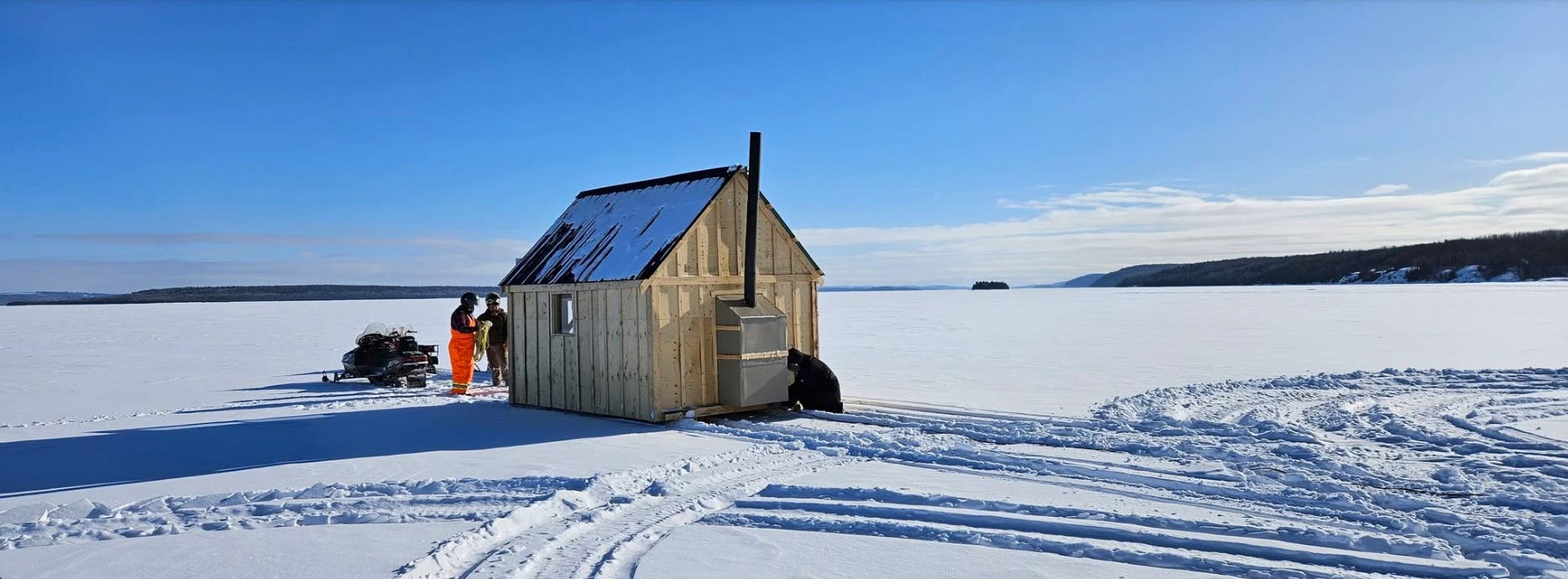
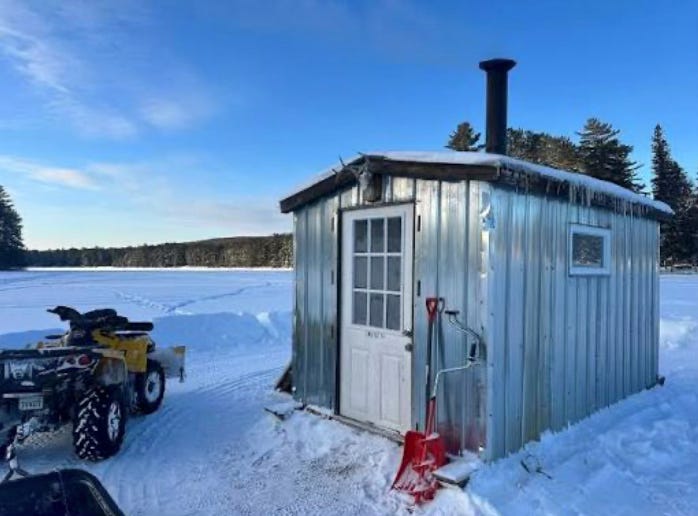
In January, Lake Temiskaming freezes over completely. Nearly two hundred ice-fishing huts are hauled onto the frozen surface, with pickup trucks parked beside them. For a few months, an entire village appears on the ice before disappearing again with the spring thaw.
People spend whole days outdoors, under brilliant sunshine, while temperatures can fall to minus thirty or even minus forty degrees Celsius. “It’s cold, sure. But it’s beautiful. Spectacular. You just have to dress properly.”
Perhaps that is the real essence of James Franks’s work. He is not simply selling houses or jobs. He is selling a way of life. More than anything, he is trying to share the perspective of a boy who arrived from a farm in Rhodesia, in southern Africa, and learned to see a remote corner of Canada as home.
Forty years later, he is still making that same journey. The only difference is that today, he is inviting others to make it with him.
Il sensale del Nord
Quando le comunità smettono di inseguire aziende e iniziano a cercare nuovi abitanti
C’è una figura professionale che si incontra sempre più spesso nelle piccole comunità canadesi. Ufficialmente è un responsabile dello sviluppo economico; in pratica, assomiglia più a un sensale: qualcuno che cerca di mettere in contatto il luogo giusto con le persone giuste.
Ne abbiamo incontrato uno a Temiskaming Shores, una cittadina affacciata sul lago Temiskaming, al confine tra Ontario e Québec. Si chiama James Franks e il suo lavoro consiste nel convincere giovani famiglie, lavoratori qualificati e nuovi immigrati che una comunità di appena diecimila abitanti nel Northern Ontario possa essere il posto giusto in cui costruirsi una vita. Per farlo percorre regolarmente centinaia di chilometri per raggiungere le fiere del lavoro di Toronto e gli eventi dedicati al reclutamento di immigrati. Come dice lui stesso, va a «sventolare la bandiera» del Nord.
Tre continenti, una casa
Eppure, ciò che ci è rimasto più impresso della nostra conversazione non sono state le statistiche sull’occupazione o sull’andamento demografico, bensì un dettaglio molto più personale: l’uomo incaricato di convincere gli altri a trasferirsi nel Northern Ontario è, a sua volta, un immigrato.
La storia di James Franks attraversa tre continenti. Nato in Inghilterra, trascorse parte dell’infanzia nell’allora Rhodesia (oggi Zimbabwe), dove la madre si era trasferita dopo essersi risposata. Aveva quasi dodici anni quando la guerra civile costrinse la famiglia a emigrare ancora, questa volta in Canada.
È curioso pensare che proprio quel ragazzo arrivato da lontano sia diventato, molti anni dopo, il principale ambasciatore di una terra che allora non aveva scelto, ma che oggi considera casa.
Quando, venticinque anni fa, Franks iniziò a lavorare per il Comune di Temiskaming Shores nel settore dello sviluppo economico, la sua missione era molto diversa da quella odierna. «Il mio compito era portare nuove imprese in città.»
Come molte altre comunità del Northern Ontario, anche Temiskaming Shores gareggiava per attirare investimenti, industrie e nuovi datori di lavoro. Il successo si misurava dal numero di imprese disposte ad aprire uno stabilimento o una sede sul loro territorio.
Poi, una quindicina d’anni fa, lo scenario è cambiato. «Non si trattava più di attrarre nuove aziende. Ne avevamo già abbastanza, anzi, non c’era più spazio per altre.»
È una trasformazione che, quasi senza fare rumore, ha interessato gran parte del Canada rurale. Oggi molte comunità del Northern Ontario non devono più convincere le imprese a trasferirsi a nord. Le imprese ci sono già. Quello che manca sono i dipendenti disposti a trasferirsi lì.
È questa mutata realtà a scandire oggi le giornate di James Franks. «Andiamo alle fiere del lavoro di Toronto e sventoliamo la nostra bandierina», racconta. «Montiamo uno stand con un grande cartello: “Venite a vivere nel Northern Ontario”.»

“Scommetto che qui potreste permettervi una casa”
La conversazione con i potenziali interlocutori comincia quasi sempre allo stesso modo: «Scommetto che lì da noi potreste permettervi di comprare una casa.» Per chi arriva dalla Greater Toronto Area è un argomento difficile da ignorare. Una tipica casa unifamiliare con tre camere da letto a Temiskaming Shores costa mediamente circa 320.000 dollari canadesi: una frazione del prezzo richiesto nell’Ontario meridionale.
Ma anche questa cifra, spiega James, racconta solo una parte della storia. «Più nella nostra zona si va verso nord, verso le coste del lago, più i prezzi delle case salgono. Se invece si va a sud, verso Cobalt, il prezzo medio è intorno ai 180.000-200.000 dollari.» La ragione è storica. All’inizio del Novecento Cobalt crebbe quasi da un giorno all’altro quando vi furono scoperti grandi giacimenti d’argento. Per ospitare rapidamente migliaia di minatori furono costruite abitazioni semplici ed economiche.
A pochi chilometri di distanza, invece, nella zona più ricca – il lungolago di Haileybury – sorsero le eleganti residenze degli imprenditori e dei proprietari delle miniere. «Quella strada la chiamano ancora Millionaires’ Road, la Via dei Milionari,» racconta James.
All’epoca la separazione sociale era così marcata che un regolamento comunale vietava ai minatori di passeggiare sul lungolago con il portapranzo in mano. Evidentemente all’élite cittadina non garbava che venisse ricordato chi svolgeva il lavoro più duro sottoterra.
È anche attraverso queste storie che Franks cerca di raccontare il territorio. Non sta solo proponendo case a prezzi accessibili ma presentando una comunità con una memoria, un’identità e una geografia che continuano ancora oggi a plasmarne il volto. Alla domanda se venticinque anni di attività di reclutamento abbiano prodotto i risultati sperati, risponde con disarmante sincerità: «Abbastanza infruttuosamente.»
Il boom che nessuno si aspettava
Poi è arrivata la pandemia, che per Temiskaming Shores ha rappresentato un periodo breve ma inatteso di prosperità. «Nel 2020 e nel 2021 abbiamo avuto le migliori stagioni turistiche della nostra storia. Eravamo una cosiddetta “zona verde”,» ha detto riferendosi al basso numero di focolai locali. «La gente veniva qui in vacanza. Gli hotel erano pieni.»
Anche il mercato immobiliare ne ha risentito. «Nel 2019 il prezzo medio di una casa era di circa 220mila dollari canadesi; oggi supera i 330mila.»
Poteva sembrare una buona notizia, e in parte lo era. Ma non per le ragioni sperate. Molti dei nuovi arrivati, infatti, erano professionisti andati in pensione anticipatamente o gente che faceva smart working, aveva venduto una casa nell’area di Toronto per oltre un milione di dollari e poteva acquistarne una sul lago senza nemmeno accendere un mutuo. «Non erano le persone che stavamo cercando», spiega James. «Non hanno coperto i posti di lavoro vacanti e, nel frattempo, hanno ridotto la disponibilità di case.»
Il paradosso è evidente. Proprio l’accessibilità economica che per anni aveva rappresentato il suo principale argomento di “vendita” del territorio è diventata più difficile da garantire alle persone che James desiderava attirare. «Adesso il problema è convincere a trasferirsi qui chi non ha molti soldi e viene per lavorare.»
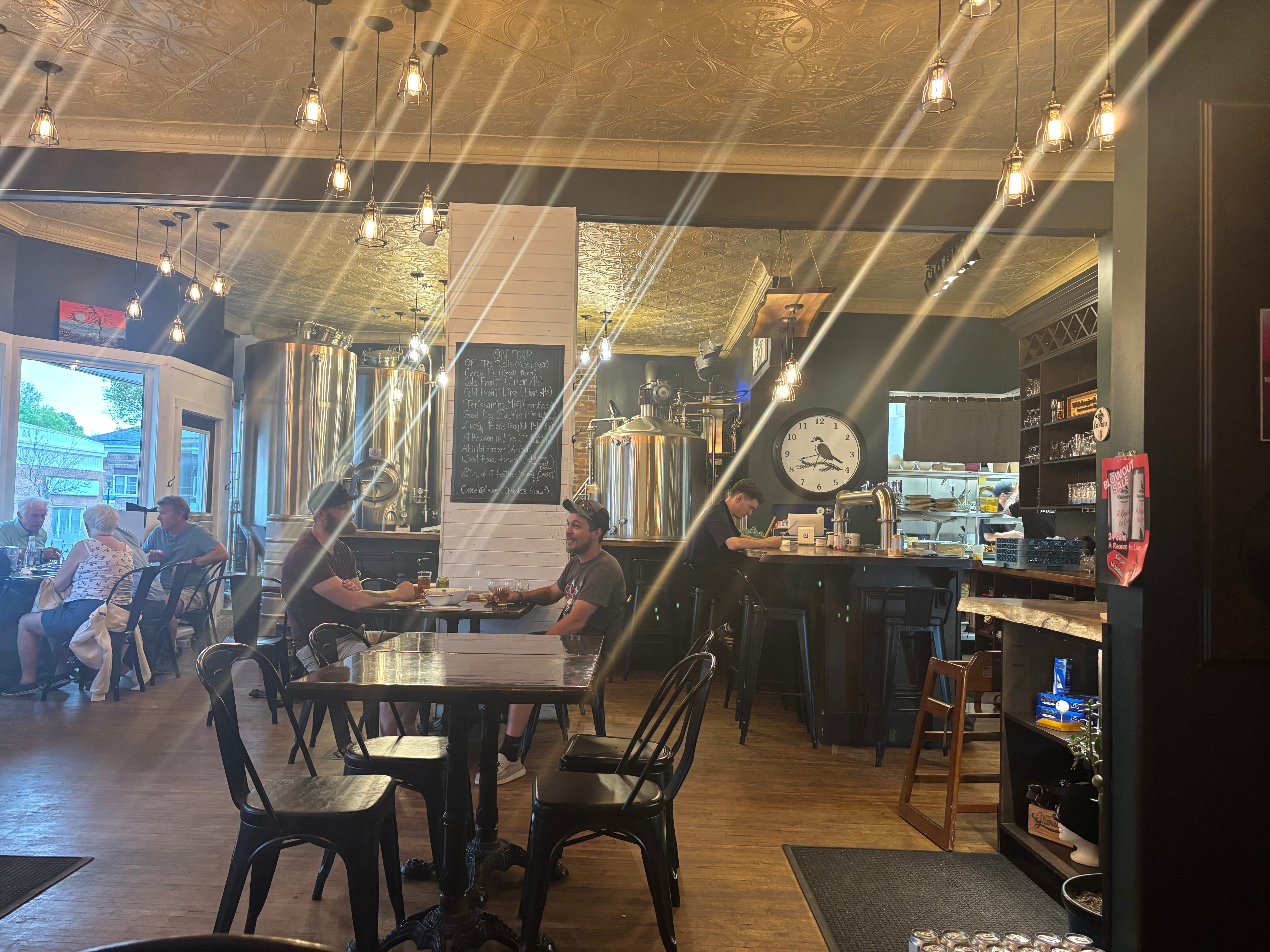
Trasformare i nuovi arrivati in vicini di casa
Ma convincere le persone a trasferirsi è soltanto il primo passo. Trovare un lavoro a qualcuno è una cosa. Aiutarlo a costruirsi una vita e a restare è tutt’altra faccenda. «Bisogna assicurarsi che i nuovi arrivati diventino parte della comunità.» È qui che il ruolo di Franks smette di assomigliare a quello di un responsabile dello sviluppo economico e ricorda piuttosto quello di un mediatore interculturale. Le domande diventano altre. Il nuovo arrivato riuscirà a trovare un medico di famiglia? Il partner troverà un impiego soddisfacente? I figli si inseriranno a scuola? Costruiranno amicizie? Si sentiranno davvero a casa? Secondo James, spesso sono proprio questi aspetti a fare la differenza.
«E poi, soprattutto, deve piacerti questo stile di vita», dice indicando il lago. «Le persone vengono qui perché amano il nord e amano la nostra comunità.»
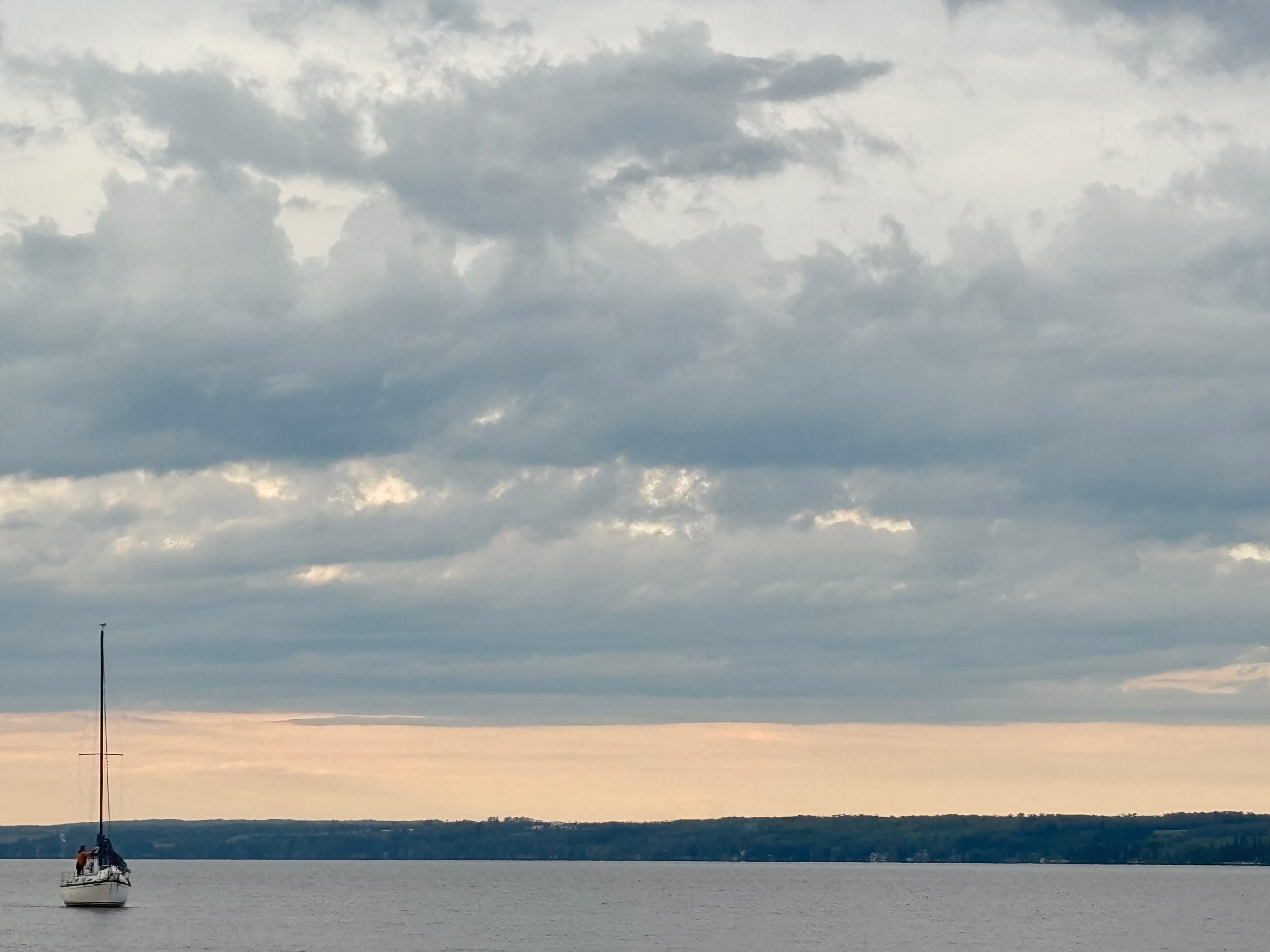
Questo, però, significa anche fare i conti con la realtà. Il Northern Ontario offre molte opportunità, ma non tutte. « Se lavori nella tecnologia o nelle arti, le opportunità di impiego sono davvero poche,» dice James. Quello che la regione offre sono settori come l’attività mineraria, l’agricoltura, la manifattura e i mestieri specializzati. «Abbiamo soprattutto bisogno di manodopera,» conclude James.
Negli ultimi dieci anni anche Temiskaming Shores è cambiata profondamente: «Siamo passati probabilmente dall’uno al quattro o cinque per cento di minoranze visibili.» La diversificazione della popolazione ha creato nuove opportunità, ma ha anche imposto nuove responsabilità.
Alcuni nuovi arrivati hanno faticato a trovare casa. Altri hanno trovato lavoro, solo per andarsene dopo esperienze che avevano poco a che fare con il lavoro in sé. «Ad alcuni sono state dette cose scortesi da qualche dipendente rozzo. E se ne sono andati.»
Franks non cerca attenuanti. Racconta semplicemente come la città abbia dovuto prendere coscienza di un problema che fino a pochi anni fa quasi non esisteva e imparare a risolverlo, spesso attraverso i propri errori. «Oggi finanziamo attività dedicate ai nuovi residenti», spiega, «organizziamo momenti di incontro per aiutarli a integrarsi nella comunità, e promuoviamo corsi di formazione per le aziende. Cerchiamo di aiutare le persone a integrarsi e di evitare che sul posto di lavoro vengano dette cose inappropriate.»
James non la presenta come una storia di successo compiuta. Tutt’altro. «Siamo molto reattivi», ammette ridendo. «Stiamo imparando inciampando sui nostri stessi piedi.»
Forse è proprio questa sua sincerità a renderlo credibile.
Imparare ad amare l’inverno
James Franks non vende un’immagine idealizzata del Northern Ontario. Ne conosce i limiti, le difficoltà e persino le contraddizioni perché, molto prima di invitare altri a trasferirsi al nord, lui stesso è stato uno straniero.
Per lui l’arrivo in Canada significò lasciare alle spalle una vita molto agiata. «Nella nostra fattoria in Africa avevamo un giardiniere e una domestica che mi rifaceva il letto e cucinava ogni giorno.» Qui, invece, «c’era da lavorare sodo.»
Eppure fu proprio il grande Nord a conquistarlo. «Me ne sono innamorato. Amo ancora l’inverno, quello vero. E se vuoi vivere qui, devi amarlo davvero.»
In gennaio il lago davanti a Temiskaming Shores ghiaccia completamente. Quasi duecento capanni da pesca vengono trasportati sulla superficie gelata, con i pick-up parcheggiati accanto. Per alcuni mesi compare un intero villaggio sul lago, destinato a scomparire con il disgelo primaverile. La gente qui trascorre intere giornate all’aperto, nel sole, ma con temperature che possono scendere, per qualche settimana, fino a trenta, quaranta gradi sotto zero. «Fa freddo, certo. Ma è bellissimo. Spettacolare. Basta vestirsi nel modo giusto.»
Forse è proprio questa la chiave del lavoro di James Franks. Lui non “vende” soltanto case o posti di lavoro ma uno stile di vita. Soprattutto, cerca di trasmettere lo sguardo con cui, molti anni fa, un ragazzo arrivato da una fattoria in Rhodesia, nell’Africa subequatoriale, imparò a vedere come casa un remoto angolo del Canada.
Quarant’anni dopo continua, in fondo, a compiere lo stesso viaggio. Con una sola differenza: oggi invita altri a compielo insieme a lui
Your story and pictures paint a vivid landscape of a place I had heard about all my life but never have visited. Gary's brother lives on the lake in a similar community in northern Ontario named Wawa. We are hoping to visit there one day soon. Your story and beautiful landscaped photos lend themselves to what I envision my brother-in-laws retirement as being. Thanks for sharing